
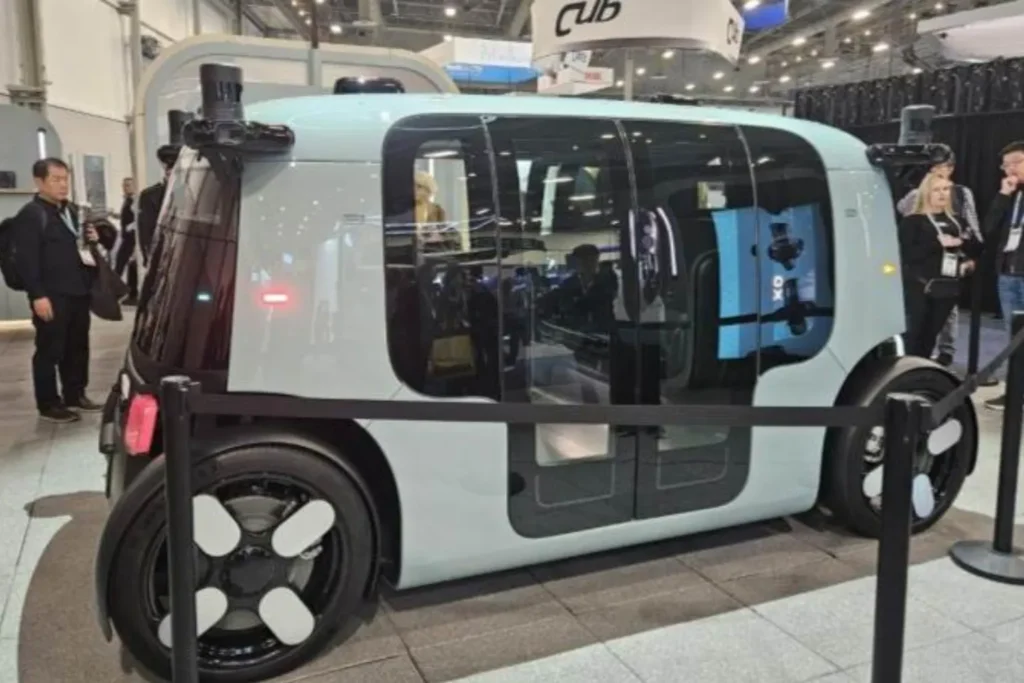

Amazon’s Zoox has issued a voluntary software recall across its entire 105-vehicle robotaxi fleet after one drove into heavy smoke at an active emergency scene, adding to growing federal scrutiny of driverless cars near first responders.
Quick Answer: Amazon-owned Zoox has voluntarily recalled the software on all 105 of its robotaxis after one unoccupied vehicle drove into heavy smoke at an active fire scene in Las Vegas on June 20. No one was injured, and Zoox has already pushed an over-the-air update meant to improve smoke detection.
Table of Contents
Key Facts
- Recall affects Zoox’s entire operating fleet of 105 robotaxis
- Incident occurred June 20 in Las Vegas; vehicle was unoccupied
- The car entered smoke before the scene was coned off, braked hard, then reversed under remote guidance
- No injuries or property damage reported
- Comes days after NHTSA flagged a “clear pattern” of driverless cars interfering with emergency responders
Zoox has voluntarily recalled the software running across its entire fleet of 105 robotaxis after one of its driverless vehicles struggled to navigate a smoke-filled emergency scene last month. The incident is the latest in a string of run-ins between autonomous vehicles and first responders that has drawn direct attention from federal safety regulators.
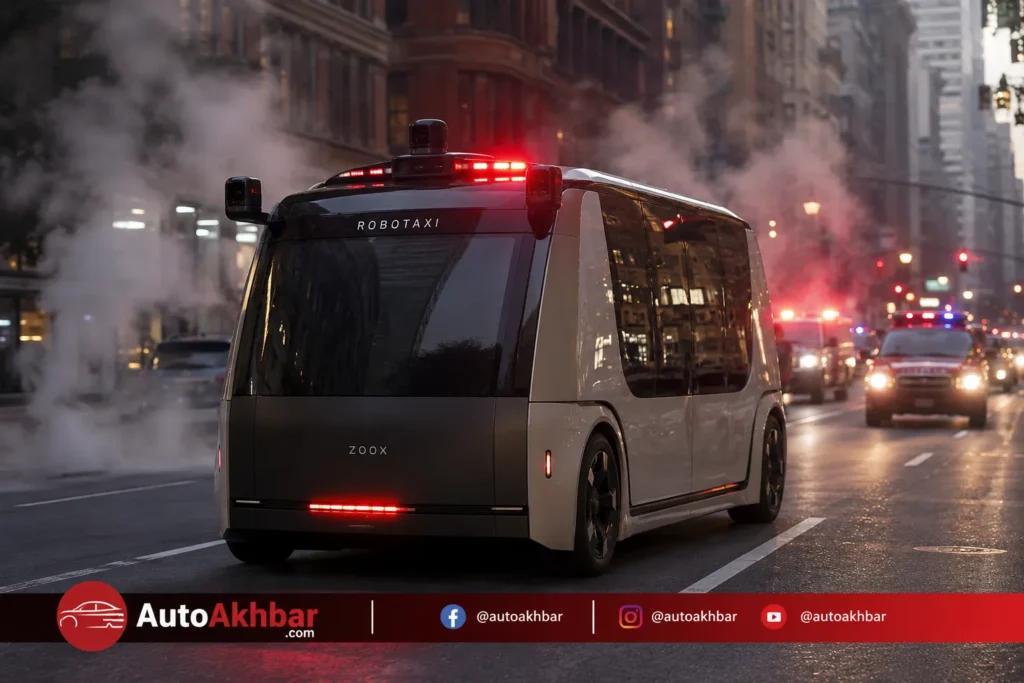
According to details filed with the National Highway Traffic Safety Administration, the incident happened on June 20 in Las Vegas. An unoccupied Zoox vehicle approached an active fire scene that had not yet been cordoned off with traffic cones and was obscured by heavy smoke. The car entered the smoke, braked hard while attempting to steer away, and came to a stop. A remote Zoox operator then guided the vehicle in reverse out of the area; only afterward did first responders place cones to block off two of the three lanes involved.
Zoox says it found no similar incidents anywhere else in its operating history and has already shipped an over-the-air software update to its full fleet, aimed specifically at improving the vehicle’s ability to detect and respond to heavy smoke near emergency scenes. The company notified NHTSA of the recall on July 8, roughly a week and a half before it became public.
Also Read : Range Rover Sport Will Add A Fully Electric Powertrain To Its Lineup
The timing lines up closely with a pointed warning from NHTSA Administrator Jonathan Morrison, who recently told autonomous vehicle developers that the agency has identified a consistent pattern of driverless cars interfering with law enforcement and first responders — including cases of AVs entering active emergency scenes, blocking ambulances and fire trucks, or failing to react to flashing lights, flares, smoke, and cones. Morrison has asked AV developers to bring proposed fixes to the agency before the end of the month.
Zoox isn’t the only company facing this scrutiny. Rival robotaxi operator Waymo has dealt with its own emergency-scene issues recently, including vehicles that reportedly blocked fire crews and, separately, a large-scale recall tied to vehicles entering active freeway construction zones. Zoox itself has a recent history of software recalls too, including earlier fixes tied to unexpected hard braking, lane-crossing behavior near intersections, and pedestrian detection.
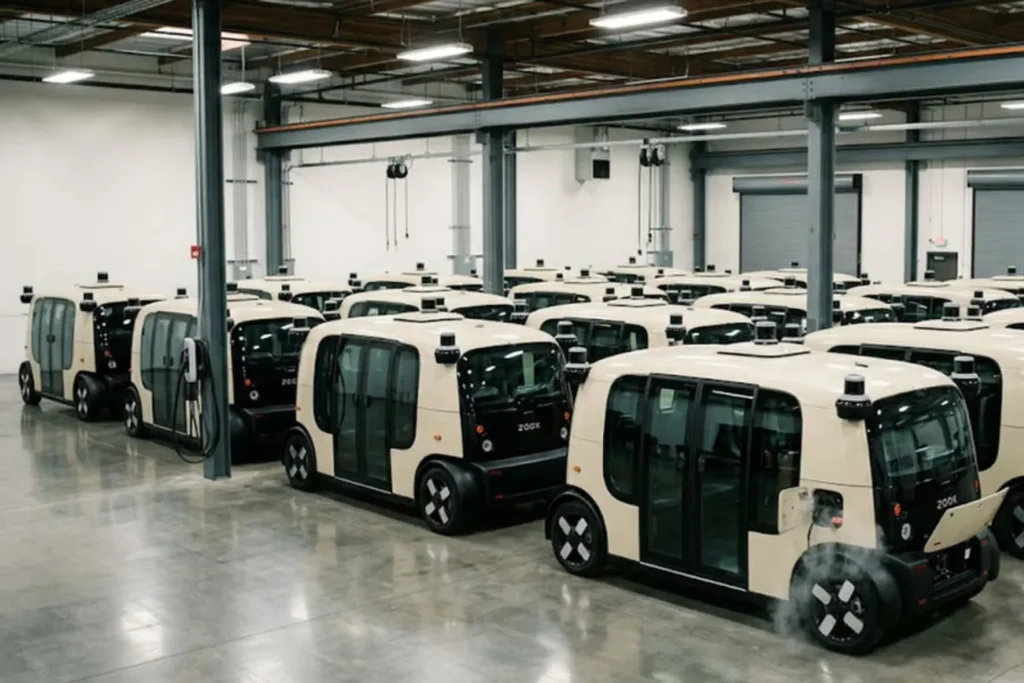
Zoox currently runs driverless rides in parts of Las Vegas and San Francisco, with limited access in Miami and Austin and testing underway in six additional US cities. As robotaxi fleets expand into more cities, incidents like this one are likely to keep regulatory pressure on the entire self-driving industry to prove its vehicles can reliably recognize and safely respond to real-world emergency situations.
Source : cnbc
FAQ
Why did Zoox recall its robotaxis?
Zoox recalled the software on all 105 of its robotaxis after one unoccupied vehicle drove into heavy smoke at an active fire scene in Las Vegas on June 20, before the area had been coned off by first responders.
Was anyone hurt in the Zoox incident?
No. Zoox reported no injuries and no property damage from the incident, and the vehicle was unoccupied at the time.
Is this part of a wider problem with robotaxis?
Yes. NHTSA has warned of a broader pattern of autonomous vehicles interfering with emergency responders, and rivals like Waymo have faced similar incidents and recalls involving construction zones and first-responder scenes.





Pingback: McLaren F1 GTR 10R Could Set New Record as Most Expensive McLaren Ever