
A federal investigation into brake assist failures in GM’s eBoost braking system has expanded to cover more than 1.1 million vehicles, including several EVs and two Honda-badged models.
More than a million GM-built vehicles, including several EVs and two Honda-badged models, are now caught up in an expanding federal safety investigation after drivers reported sudden loss of brake assist.
Table of Contents
What Reddit Users Are Discussing
The r/electricvehicles community picked up on the widening scope of a National Highway Traffic Safety Administration probe, noting that the affected vehicle list now spans gas, hybrid, and electric GM models alike.
The Real Question
How serious is this brake assist issue, and should owners of the affected vehicles be concerned right now?
What We Know
The investigation began in April 2026 after NHTSA’s Office of Defects Investigation received complaints from 2023 Cadillac Lyriq owners about a “Brake System Failure” warning appearing while starting or driving, following hard brake pedal application. GM has attributed the problem to spindle fractures within the vehicle’s eBoost brake system. Importantly, GM has told regulators that when the failure occurs, the anti-lock brakes, stability control, and traction control continue to function normally until the vehicle comes to a stop.
NHTSA has now upgraded the case to a full engineering analysis and broadened it to cover every GM vehicle equipped with the eBoost system:
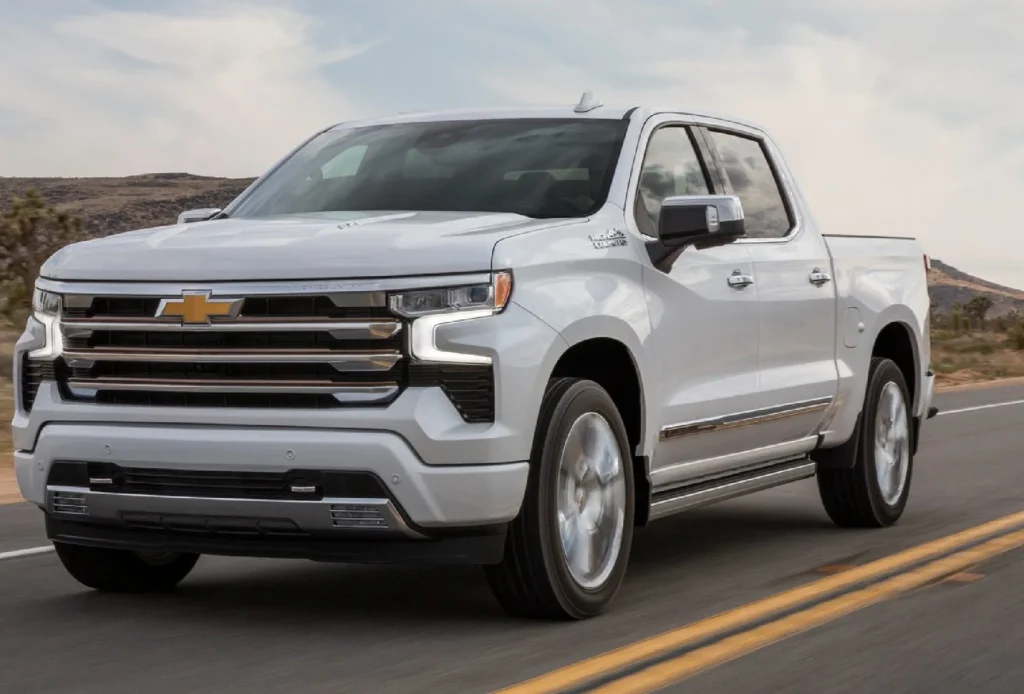
- 2023–2026 Cadillac Lyriq, Chevrolet Colorado, and GMC Canyon
- 2024–2026 Buick Enclave, Buick Envision, Chevrolet Blazer EV, Chevrolet Equinox EV, Chevrolet Traverse, Cruise Origin, and GMC Acadia
- 2025–2026 Cadillac Celestiq and Cadillac Optiq
- 2024–2026 Acura ZDX and Honda Prologue, which share GM’s EV platform and eBoost hardware
Regulators cite 745 reported incidents so far, including 22 crashes or fires, five of which caused injuries. NHTSA’s estimate puts the total number of potentially affected vehicles at roughly 1,164,820.
Also Read : NHTSA Opens Fresh Probe Into Nearly 1 Million GM Trucks Over V8 Engine Failures
Why It Matters
An engineering analysis is a step toward determining whether a formal recall is warranted, but it is not itself a recall or a confirmed safety defect finding. Owners of the listed models should stay alert for any brake warning messages and keep an eye out for future recall notices, since GM and NHTSA will continue investigating before any repair action is mandated.
Over 1.1 million GM vehicles, including EVs, are under NHTSA investigation
by u/SpriteZeroY2k in electricvehicles
AutoAkhbar Verdict
The broadened scope is worth tracking given how many models and brands it now touches, but the fact that core braking functions reportedly remain active during a failure event is a meaningful mitigating detail. This is still at the investigation stage — not a confirmed defect — so owners shouldn’t panic, but should stay informed.
FAQ
Which vehicles are covered by this investigation?
The list spans several Cadillac, Chevrolet, Buick, and GMC models from the 2023–2026 model years, plus the Acura ZDX and Honda Prologue, which use GM’s eBoost brake hardware.
Does this mean a recall is coming?
Not necessarily. An engineering analysis is an investigative step; NHTSA has not yet determined whether a formal recall is required.
Is the brake system completely non-functional during a failure?
According to GM, the anti-lock brakes, stability control, and traction control remain functional even when the brake assist fault occurs.