
Quick Answer
Tesla’s Cybercab is a two-seat, purpose-built robotaxi with no steering wheel or pedals, relying entirely on Tesla’s Full Self-Driving software. It began operating driverless on public Austin roads on September 2, 2026, with a formal invite-only launch event the next day, joining Tesla’s existing Model Y robotaxi fleet already running in several U.S. cities.
Planning to book a driverless Tesla ride soon? The car you step into might not have a steering wheel at all. On September 3, 2026, Tesla pulled its purpose-built Cybercab out from behind the curtain, putting driverless units on public Austin streets a day ahead of an invite-only launch event, and folding the two-seat robotaxi into the same commercial service that has quietly been running Model Y robotaxis in the city for more than a year.
Key Takeaways
- Cybercab is Tesla’s first vehicle designed exclusively for autonomous operation, with no manual driving controls.
- Driverless Cybercabs appeared on Austin public roads on September 2, 2026, ahead of a September 3 launch event.
- The launch is an operational and product milestone, not a regulatory approval — NHTSA review remains separate.
- Tesla’s unsupervised robotaxi fleet in Austin remains small (roughly two dozen vehicles by independent tracking), so this is an early-stage expansion, not a mass rollout.
- Cybercab joins the existing Model Y robotaxi service already active in Austin, Dallas, Houston, Miami, Orlando, and Tampa.
- Tesla has opened an interest form for companies wanting to buy Cybercab fleets, hinting at a commercial sales channel alongside app-based rides.
Table of Contents
What exactly is the Cybercab?
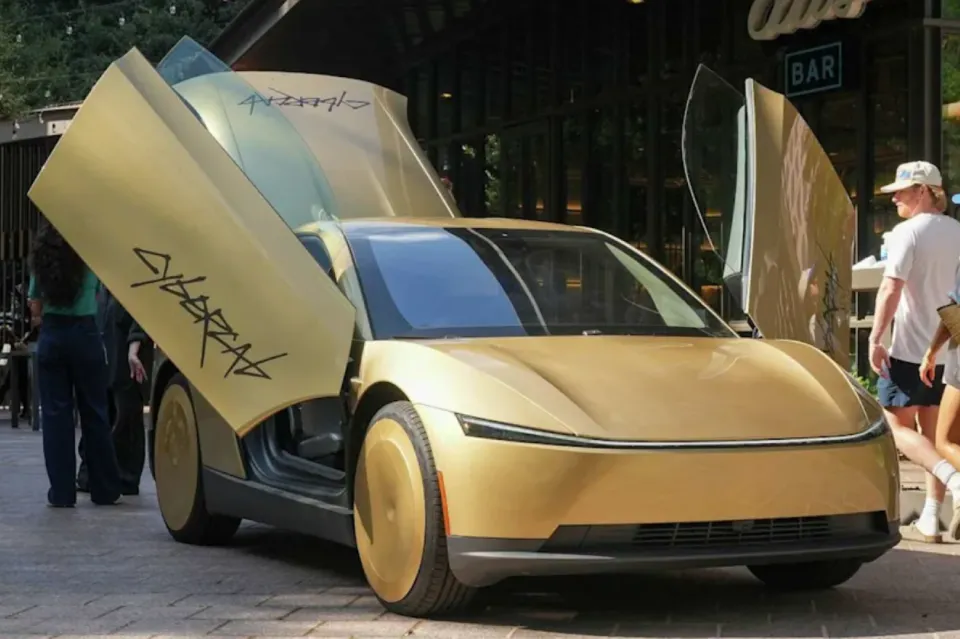
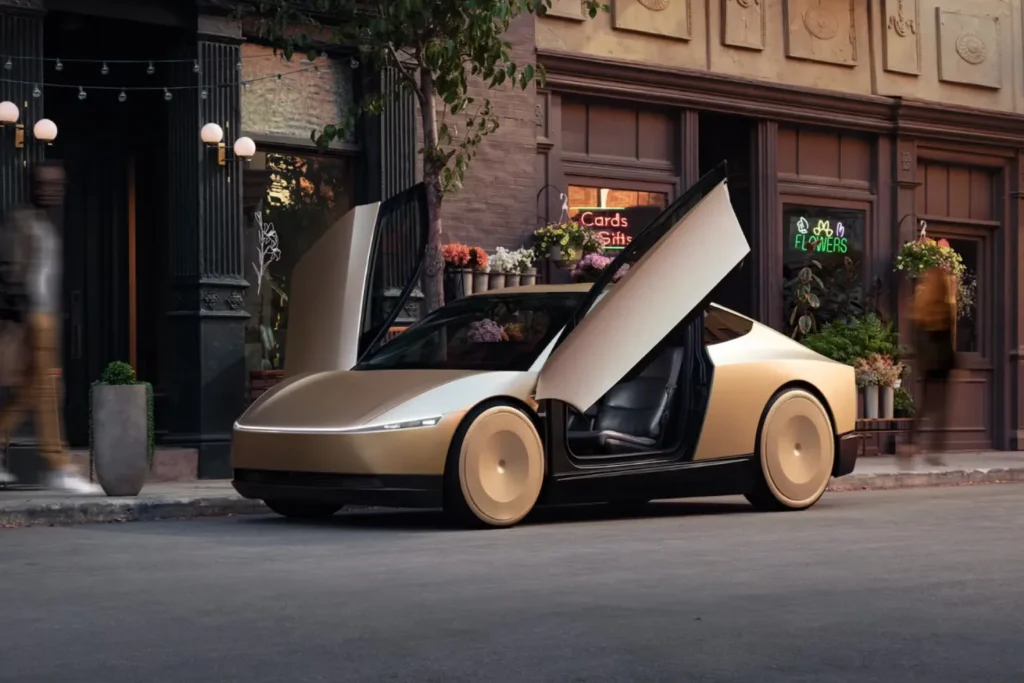
The Cybercab is Tesla’s first vehicle built from the ground up for autonomous driving rather than adapted for it. It seats two, uses butterfly doors, and — unlike every other Tesla on the road — has no steering wheel and no pedals in its production form. There’s no manual override if the software gets it wrong; every mile depends on Tesla’s Full Self-Driving software running on the company’s AI4 computer.
What happened on September 3
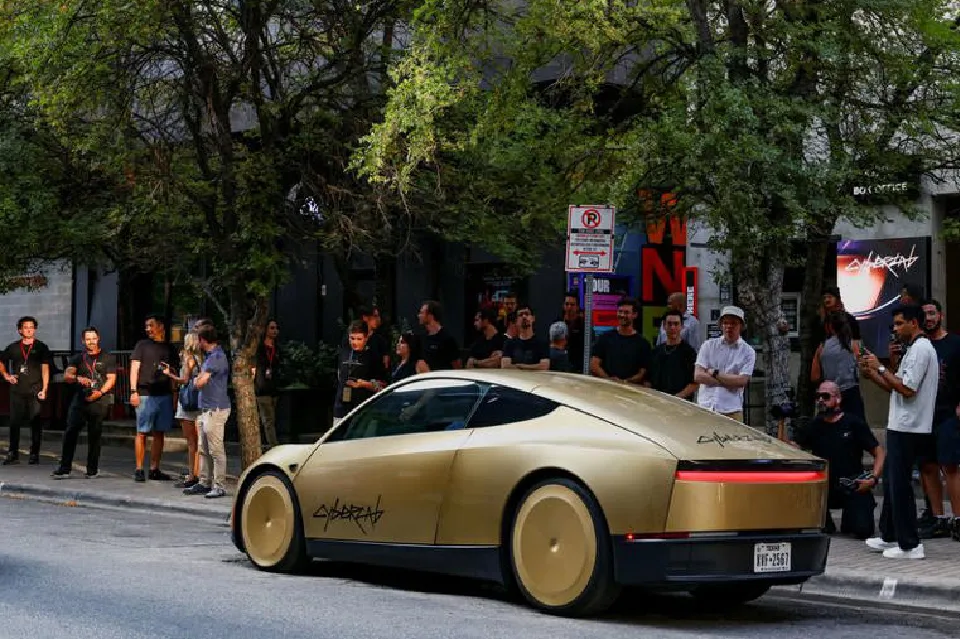
A day before its scheduled Austin event, Tesla put driverless Cybercabs on public roads, with video clips circulating online showing the two-seaters moving through traffic with nobody behind the wheel. The Thursday event itself was framed as “Exclusive Access: Cybercab” — an invite-only gathering for top scorers in Tesla’s Robotaxi rider sweepstakes, livestreamed for everyone else. It marked a product unveiling and an operational expansion, not a regulatory green light: NHTSA approval remains a separate, ongoing process, and public access to Cybercab rides is still limited.
How we got here
The idea traces back to internal Tesla debates in 2022, when the company settled on a next-generation vehicle platform that could support both a low-cost mass-market car and a Robotaxi built without a steering wheel. California crowds got an early, closed-course preview of the concept in October 2024. Since then, Tesla has been running driverless Model Y robotaxis in limited zones of Austin, Dallas, Houston, Miami, Orlando, and Tampa, with the Austin service expanded across the wider metro area back in June. Employees began test rides in the Cybercab itself in July 2026, a step widely read as preparation for eventually letting paying customers in.
Why it matters — and why some are cautious
Removing the steering wheel and pedals is a real bet: it signals confidence in the self-driving stack, but it also means there’s no human fallback if the car misbehaves. Independent tracking suggests Tesla’s unsupervised robotaxi fleet in Austin still numbers only around two dozen vehicles — a reminder that Thursday’s event adds a new model to an operation that is still, by scale, in its early days.
Also Read : Zoox Recalls 105 Robotaxis After One Drove Into An Active Fire Scene
What comes next
Following the launch event, Tesla is expected to begin offering the Cybercab as a ride option alongside its Model Y robotaxis within the existing app, expanding availability gradually rather than all at once. The company has also quietly opened an interest form for companies looking to buy Cybercab fleets outright, suggesting Tesla sees commercial and fleet sales — not just app-based rides — as part of the rollout.
Source Name : Motor1 / Electrek / Teslarati / Austin American-Statesman (aggregated reporting)
FAQ Cybercab
Does the Tesla Cybercab have a steering wheel?
No. The production Cybercab has no steering wheel and no pedals — it relies entirely on Tesla’s Full Self-Driving software and AI4 computer, with no manual override available.
When did the Tesla Cybercab launch?
Tesla put driverless Cybercabs on public Austin roads on September 2, 2026, ahead of an invite-only launch event on September 3, 2026.
Can the public book a Cybercab ride right now?
Not yet at scale. Early access has gone to sweepstakes winners and invited riders; wider availability inside the Robotaxi app is expected to roll out gradually after the launch event.
How many seats does the Cybercab have?
Two. It’s a compact, purpose-built robotaxi rather than a repurposed passenger car.
Is the Cybercab approved by regulators for full public use?
The September 3 event was a product unveiling and service expansion, not a regulatory approval. NHTSA review and broader compliance questions remain ongoing and separate from Tesla’s own rollout timeline.
How is the Cybercab different from Tesla’s existing robotaxi service?
Tesla has run driverless Model Y robotaxis in parts of Austin, Dallas, Houston, Miami, Orlando, and Tampa for over a year. The Cybercab is a new, purpose-built vehicle joining that same fleet and app — not a replacement for it.