If you own an electric vehicle or are thinking about getting one, you’ve probably heard the phrase “only charge to 80%.” But why? And if your electricity comes from EDF, how does their pricing and fixed tariff affect your EV running costs? This guide answers everything — clearly, honestly, and without the jargon.
Table of Contents
What is the 80% Rule for EV?
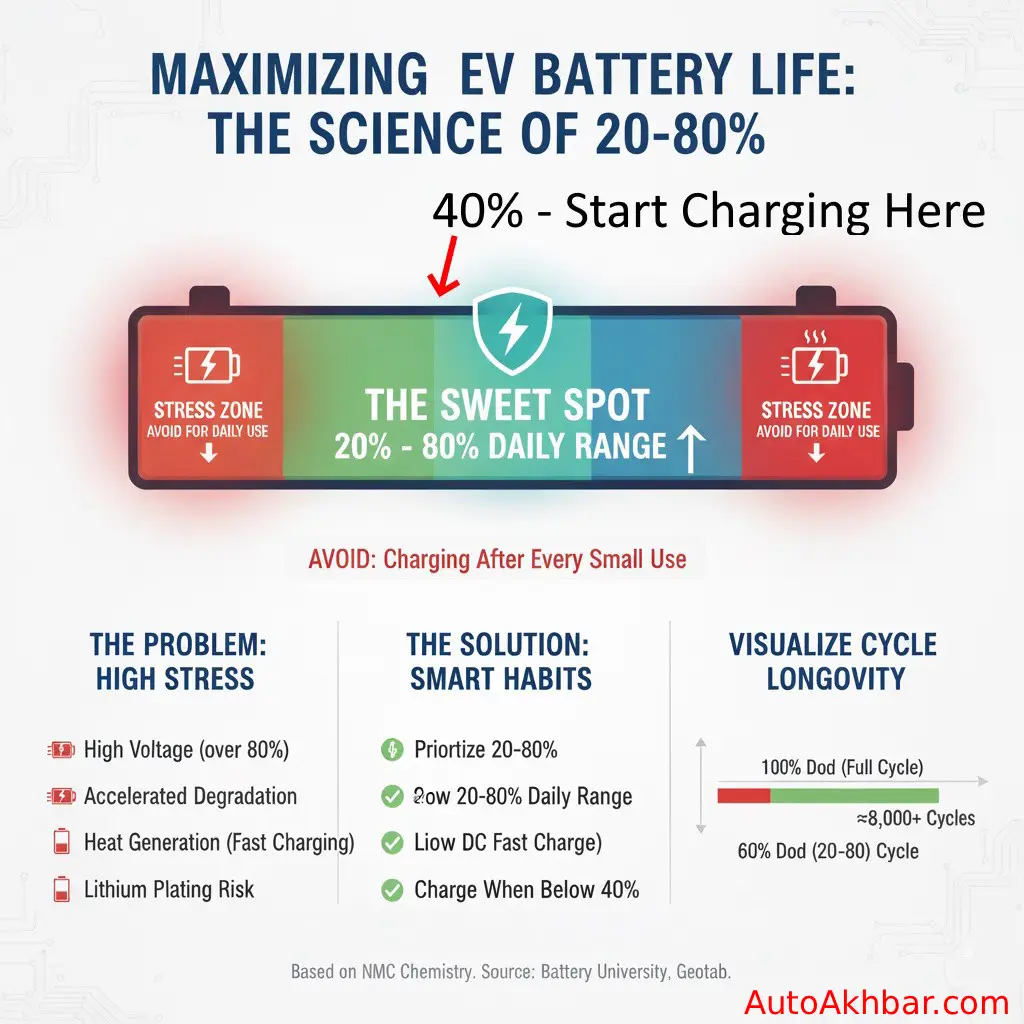
The 80% rule for electric vehicles is a simple but powerful charging guideline: rather than charging your EV battery all the way to 100%, you stop at 80%. It might sound counterintuitive — after all, why would you leave 20% of your battery unused? The answer lies in how lithium-ion batteries actually behave when they charge.
Most EVs on the road today use lithium-ion battery packs. These batteries charge very efficiently from 0% to around 80%. But once they cross that 80% threshold, the charging process slows down dramatically, generates more heat, and puts extra chemical stress on the battery cells. That last 20% of charging time can take just as long as the first 80% — and it does more damage in the process.
Quick Summary: The 80% rule says: keep your EV battery charged between 20% and 80% for daily use. This is often called the “20-80 rule” or “80/20 rule.” It protects your battery, speeds up charging, and keeps your EV performing better for longer.
The concept became widely adopted as EVs moved into everyday life. Early EV owners noticed their batteries losing capacity faster when regularly charged to full. Manufacturers, including Tesla, Nissan, and Hyundai, began recommending partial charging as standard practice. Today, most modern EVs have a built-in setting that lets you set a charge limit — and 80% is the default on many models.
Why 80% and Not 100%? The Real Reason
Think of your EV battery like a sponge. When it’s mostly empty, water (electricity) flows in fast and easily. But as the sponge gets fuller, you have to press harder and harder to squeeze in that last bit. The effort increases, the sponge gets stressed, and the whole process slows right down.
That’s almost exactly what happens inside a lithium-ion battery. When a battery is below 80%, electrons find plenty of space to slot into the anode. Charging is fast, efficient, and relatively stress-free. Above 80%, the charging management system has to push harder — increasing voltage, generating heat, and accelerating the chemical reactions that gradually degrade battery cells.
80%
Optimal daily charge limit
20%
Recommended minimum level
2X
80–100% takes as long as 0–80%
Here are the main reasons the 80% charging habit makes sense for almost every EV driver:
1. Battery Longevity
Every time you charge a lithium-ion battery to 100%, you accelerate its degradation. The last 20% of charging creates significant heat and voltage stress inside the cells. Over hundreds of cycles, this wears down the battery’s maximum capacity — meaning less range and weaker performance. By stopping at 80%, you dramatically reduce this wear. The difference over several years of ownership can be measurable — some studies show batteries charged regularly to 80% retain notably more capacity than those regularly taken to 100%.
2. Faster Charging Speed
Charging up to 80% is significantly faster than going from 80% to 100%. EV fast chargers — including DC rapid chargers — deliver their best speed in the 20-80% range. Once the battery hits 80%, the charging rate deliberately slows down as a protective measure. So waiting for that last 20% can genuinely double the time you spend at a charging station, especially with fast chargers. For long-distance driving, smart EV owners plan multiple short 20-80% stops rather than one long 0-100% session.
3. Regenerative Braking Works Better
Many EVs use regenerative braking to recapture energy when you slow down or brake — feeding that energy back into the battery. If your battery is already at 100%, there’s no room to store that recovered energy. By keeping your charge at 80% or below, you allow regenerative braking to work effectively, improving your overall efficiency and potentially giving you a little extra range from every drive.
4. Heat Management
Charging a battery to full capacity generates more heat than stopping at 80%. Heat is one of the primary enemies of battery health — it accelerates chemical degradation and can damage surrounding battery components over time. Staying within the 20-80% range keeps the battery’s temperature in a more comfortable zone, which is especially valuable in hot climates or during summer months.
5. Range Buffer for Daily Life
Not going below 20% also matters. Running your battery very low increases strain, and if you’re caught short between charging opportunities, it’s stressful and potentially inconvenient. Keeping above 20% gives you a comfortable safety margin for unexpected detours, traffic delays, or changes in plans. For most daily commutes, an 80% charge on a modern EV provides well over 150–200 miles — far more than enough.
The Science Behind the 80% Rule
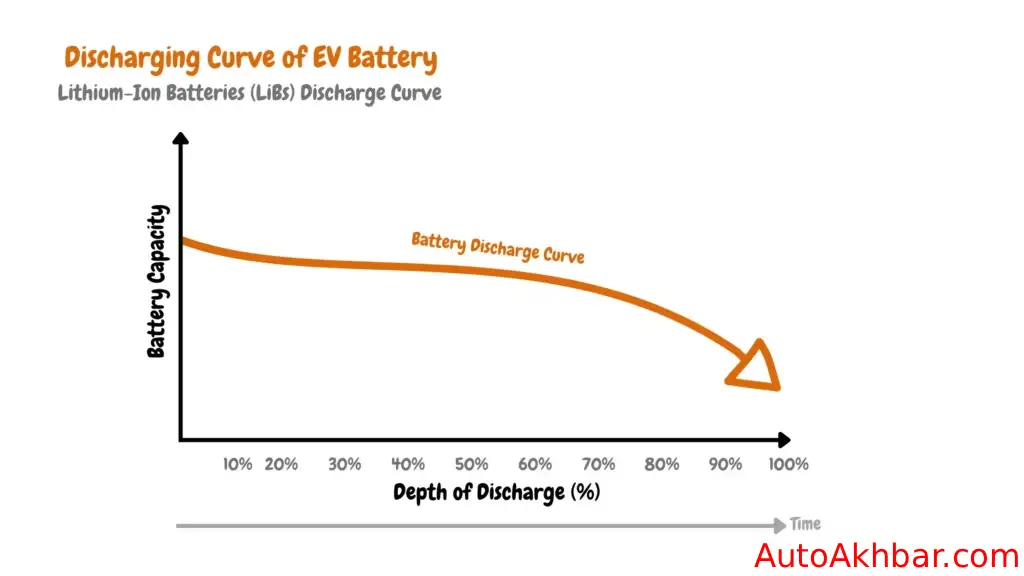
Lithium-ion batteries work through the movement of lithium ions between two electrodes: the anode (usually graphite) and the cathode (often a metal oxide). When you charge the battery, lithium ions migrate from the cathode to the anode and get stored there. When you use the battery, those ions flow back the other way, releasing energy.
The problem that happens at high charge levels is called lithium plating. When the anode is nearly full of lithium ions, any additional ions that try to squeeze in can end up depositing as metallic lithium on the surface of the anode rather than properly integrating. This metallic lithium deposit is hard to reverse, gradually reduces usable battery capacity, and in extreme cases can cause internal short circuits.
Key Science Point: Lithium plating — the build-up of metallic lithium on battery anodes — is one of the main reasons EV manufacturers recommend staying below 100% charge. It’s worst at high temperatures and high states of charge, which is exactly why the last 20% is so problematic.
Chemical stress during charging and discharging cycles also causes the electrodes themselves to expand and contract slightly. Over many cycles, this mechanical stress can cause microscopic cracking in the electrode materials, further reducing capacity. Staying within the 20-80% range reduces the magnitude of these expansions and contractions, helping the electrodes maintain their structural integrity over a longer period.
| Charging Range | Charging Speed | Heat Generated | Battery Stress | Verdict |
|---|---|---|---|---|
| 0% – 20% | Moderate | Low-Medium | Medium (low SOC stress) | Avoid regularly |
| 20% – 80% | Fast ✔ | Low ✔ | Minimal ✔ | Ideal Zone ✔ |
| 80% – 100% | Slow | High | High | Daily use: avoid |
When is Charging to 100% Actually OK?
The 80% rule is a guideline for daily use — not an absolute law. There are perfectly valid situations where charging to 100% makes total sense, and doing so occasionally won’t ruin your battery.
You should feel comfortable charging to 100% when you’re about to leave on a long road trip that requires maximum range. The key is not to charge to 100% and then leave the car sitting at that level for hours. Ideally, you’d time the charge to finish close to your departure time, minimising the time the battery spends sitting at full charge.
💡 Tip: Tesla actually recommends that owners of LFP (Lithium Iron Phosphate) battery vehicles — such as Standard Range Model 3 and Model Y — charge to 100% regularly. LFP chemistry is somewhat more tolerant of full charges than the NMC (Nickel Manganese Cobalt) chemistry used in most other EVs. Always check your owner’s manual for model-specific guidance.
Other situations where 100% is reasonable: you have no access to a charger for several days and need maximum range, or your manufacturer’s guidelines specifically recommend it for your battery chemistry. For all other day-to-day driving, 80% is your friend.
Why Ather is Way BetterThan Many EV Brands
What is the EDF Price per kWh? (2026)
EDF Energy is one of the UK’s biggest electricity suppliers — and as an EV owner, knowing what you pay per kilowatt-hour (kWh) directly affects your running costs. Here’s the current picture for 2026.
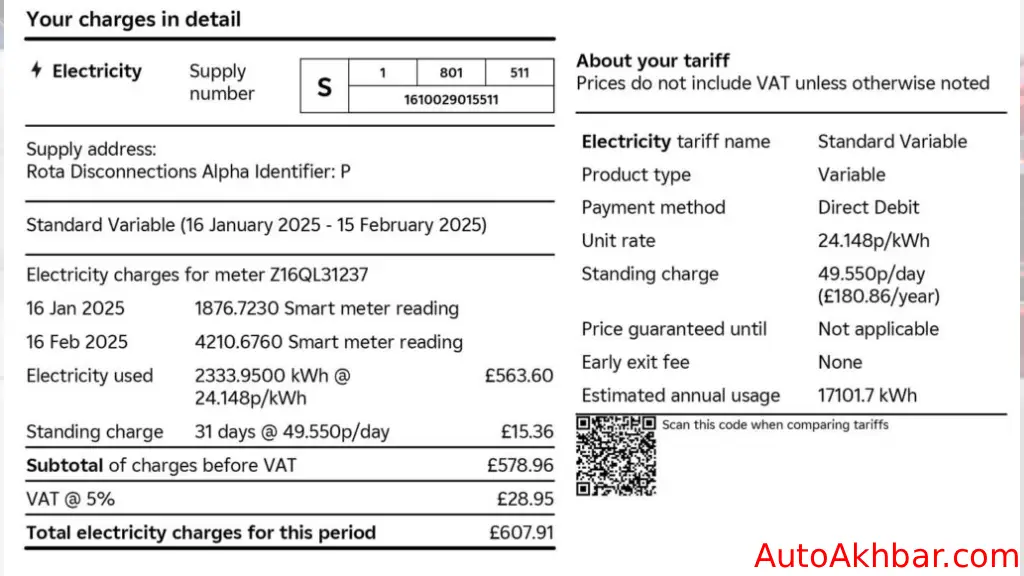
Under the Ofgem energy price cap that runs from 1 April to 30 June 2026, customers on a standard variable tariff (SVT) pay an average of 24.67 pence per kWh for electricity, with a daily standing charge of 57.21p. This applies to EDF customers on their default variable tariff, as EDF (along with E.ON, Octopus, and British Gas) operates within Ofgem’s price cap framework for standard variable customers.
| Tariff Type | Unit Rate (Electricity) | Standing Charge | Typical Annual Bill |
|---|---|---|---|
| Standard Variable (SVT) — Apr–Jun 2026 | ~24.67p/kWh | 57.21p/day | £1,641/year (dual fuel) |
| EDF Simply Fixed (2-year, from Apr 2026) | ~25p/kWh | ~55p/day | ~£1,641/year (matching cap) |
| EDF FreePhase (Green rate, 11pm–6am) | Cheaper off-peak | 51p/day | Varies (up to £187 saving) |
EDF’s latest fixed product — the Simply Fixed 2Yr Mar28v3 — was launched in March 2026 and priced at £1,772 initially, dropping to £1,641 from 1 April in line with policy cost changes. This makes it the cheapest energy-only fixed price among major suppliers at the time of its launch.
Good news for EV owners: EDF also offers specialist time-of-use tariffs. Their FreePhase tariff, for example, charges three different rates through the day — a cheaper “Green” rate late at night (11pm–6am), a standard “Amber” rate during the day, and a more expensive “Red” rate during peak evening hours (4pm–7pm). If you charge your EV overnight, you could benefit significantly from lower off-peak rates.
What Does EDF Electricity Cost to Charge an EV?
Using the standard variable rate of around 24.67p/kWh, charging a typical EV with a 60kWh battery from 20% to 80% (a 36kWh top-up) would cost approximately £8.88. That same charge on a cheaper off-peak tariff at, say, 15p/kWh would cost around £5.40. Over a year of daily charging, switching to an off-peak tariff could save you over £1,000 on EV electricity alone.
Is an EDF Fixed Tariff Worth It? (2026 Analysis)
The honest answer is: it depends on your situation and your tolerance for price uncertainty. But the case for fixing in 2026 is interesting — let’s walk through it properly.
✅ Pros of EDF Fixed Tariff
- Your unit rate stays the same for the entire contract — bills only rise if you use more energy
- Protection against wholesale energy price spikes (UK wholesale gas jumped 75% in one week in March 2026)
- EDF’s current 2-year fix matches the April 2026 price cap — it’s not a premium
- Price certainty makes monthly budgeting much easier
- EDF forecasts the price cap rising ~10% in July 2026 — fixing now could lock in lower rates
- No nasty surprises if energy markets become volatile again
❌ Cons of EDF Fixed Tariff
- Exit fees apply if you leave early — EDF’s fees range from £50 to £250
- If the price cap falls further, you could end up paying more than SVT customers
- Fixed tariffs are not covered by the price cap — Ofgem doesn’t limit what you pay
- When your deal ends, you’re automatically moved to SVT (watch the calendar)
- The April 2026 price cap drop of 6.6% means variable rates fell — timing matters
- Middle East conflict has reduced the number of available fixed deals market-wide
As of March 2026, roughly 21 million UK households are on fixed tariffs, while around 33 million remain on standard variable tariffs. The trend towards fixing has accelerated significantly since 2024 (up from 7 million households). Energy experts like Martin Lewis note that fixing is smart when forecasts suggest the price cap will rise — but could cost you more if prices fall further than expected.
⚠️ Important Right Now (March 2026): UK wholesale gas prices spiked sharply in late February 2026 due to Middle East tensions. This caused many suppliers to withdraw fixed deals from the market — the number of available fixed-rate deals dropped from around 38 to just 20 in less than a month. EDF maintained their fix, but availability can change quickly. If you want to fix, don’t delay.
Who Should Fix with EDF?
A fixed tariff with EDF makes most sense if you: want predictable monthly bills, are worried about wholesale price rises, have an EV or heat pump that drives above-average electricity use, or simply find the current fixed rate competitive compared to where you think the price cap is heading. Use EDF’s price cap predictor or check with MoneySavingExpert’s Cheap Energy Club to compare what the annual cost difference would be for your specific usage.
Who Should Stay on Variable?
If you think energy prices will continue falling, if you’re planning to move home soon, if you have very low energy usage (where the standing charge dominates your bill anyway), or if you want maximum flexibility — staying on SVT might serve you better. EDF’s Simply Tracker tariff is worth considering too: it follows the price cap but at a £50 annual discount, giving you some saving without locking you in.
क्या ईडीएफ फिक्स्ड टैरिफ इसके लायक है?
सीधे शब्दों में कहें तो — यह आपकी स्थिति पर निर्भर करता है। ईडीएफ का फिक्स्ड टैरिफ उन लोगों के लिए सबसे उपयोगी है जो हर महीने अपने बिजली के बिल का अंदाजा लगाना चाहते हैं और बाजार में उतार-चढ़ाव से बचना चाहते हैं।
फायदे: फिक्स्ड टैरिफ पर आपकी यूनिट दर पूरे कॉन्ट्रैक्ट के दौरान एक जैसी रहती है। अगर थोक ऊर्जा की कीमतें बढ़ती हैं — जैसा कि मार्च 2026 में हुआ जब यूके में गैस की कीमतें एक हफ्ते में 75% उछल गईं — तो आप सुरक्षित रहते हैं। ईडीएफ का मौजूदा 2-साल का फिक्स्ड टैरिफ अप्रैल 2026 के प्राइस कैप के बराबर है, यानी यह बाजार में सबसे प्रतिस्पर्धी विकल्पों में से एक है।
नुकसान: अगर आप कॉन्ट्रैक्ट से पहले छोड़ना चाहें तो £50 से £250 तक का एग्जिट चार्ज देना पड़ सकता है। यदि बिजली की कीमतें और गिरती हैं, तो आप वेरिएबल टैरिफ से ज्यादा भुगतान कर सकते हैं। कॉन्ट्रैक्ट खत्म होने के बाद आप अपने आप स्टैंडर्ड वेरिएबल टैरिफ पर चले जाते हैं — इसका ध्यान रखें।
सुझाव: यदि आपके पास इलेक्ट्रिक गाड़ी (EV) है और आप रात को चार्ज करते हैं, तो ईडीएफ का FreePhase टैरिफ देखें — रात 11 बजे से सुबह 6 बजे तक सस्ती दरें मिलती हैं जो आपके EV चार्जिंग के खर्च को काफी कम कर सकती हैं।
ईडीएफ टैरिफ कैसे काम करता है? / How Does EDF Tariff Work?
ईडीएफ यूके में दो मुख्य प्रकार के टैरिफ प्रदान करता है: फिक्स्ड (Fixed) और वेरिएबल (Variable / Standard Variable Tariff)। इसके अलावा एक ट्रैकर (Tracker) विकल्प भी है।
स्टैंडर्ड वेरिएबल टैरिफ (SVT): यह Ofgem के प्राइस कैप से जुड़ा होता है, जो हर तीन महीने में बदलता है। अप्रैल-जून 2026 के लिए यह £1,641 प्रति वर्ष (औसत दोहरे ईंधन घर के लिए) तय है। इस पर कोई एग्जिट फीस नहीं होती।
फिक्स्ड रेट टैरिफ: यह प्राइस कैप से अलग होता है — कॉन्ट्रैक्ट के दौरान दरें नहीं बदलतीं। ईडीएफ का Simply Fixed 2Yr Mar28v3 अभी सबसे सस्ते प्रमुख सप्लायर फिक्स्ड ऑफर में से एक है।
ट्रैकर टैरिफ: ईडीएफ का Simply Tracker प्राइस कैप को ट्रैक करता है लेकिन £50 की वार्षिक छूट के साथ। यह उन लोगों के लिए अच्छा है जो लचीलापन चाहते हैं लेकिन थोड़ी बचत भी।
How Does the EDF Tariff Work? (English Explanation)
EDF offers UK households three core tariff structures. Understanding how each one works helps you make a smarter decision — especially if you’re an EV owner whose electricity costs are higher than average.
Standard Variable Tariff (SVT)
This is EDF’s default tariff, and it’s linked to Ofgem’s energy price cap. The cap is reviewed every three months (January, April, July, and October). When the cap goes up, your rates go up. When it falls, they fall. There’s no exit fee on SVT, meaning you can switch at any time. The downside is unpredictability — your bills can change quarter by quarter.
Fixed Rate Tariff
On a fixed tariff, EDF locks in your unit rate and standing charge for a set period — typically 12 months or 2 years. The fixed rate operates outside the Ofgem price cap, meaning it doesn’t automatically change when the cap moves. If you’re on a fixed deal and energy prices rise, you benefit. If they fall, you could end up paying more than SVT customers. Exit fees apply (currently £50–£250) if you leave before the contract end.
Key Detail: When your EDF fixed tariff ends, you’re automatically moved onto the Standard Variable Tariff. Set a reminder on your phone about 6 weeks before your deal expires so you can shop around and switch to a better deal before it happens.
Tracker Tariff
EDF’s Simply Tracker tariff follows the Ofgem price cap but guarantees a £50 annual discount applied through standing charges. It’s a fixed-term product, so it gives you a degree of price certainty while still moving with the cap. It’s a middle ground for people who want some savings but aren’t ready to commit to a fully fixed rate.
Specialist Tariffs for EV Owners
EDF also offers time-of-use tariffs designed for customers with smart meters. Their FreePhase tariff (both Static and Dynamic versions) has three pricing tiers — a cheap Green rate (11pm–6am), a standard Amber rate (6am–4pm and 7pm–11pm), and a pricier Red rate (4pm–7pm). For EV owners who charge overnight, the Green rate can deliver meaningful savings. EDF also runs a Sunday Saver challenge where you can earn free electricity on Sundays by reducing usage during weekday peak periods.
📚 References & Sources
- BP Pulse US — Maximizing Your EV’s Battery Life: Why Many Drivers Choose to Only Charge to 80%
- 1Charging — The 80/20 EV Charging Rule: EV Battery Charging Best Practices
- FLO — EV Battery Charging Best Practices: The 20-80 Rule
- EV.com — EV101: What Is The 80% Rule For EV Charging
- ACDI — Why 80% Is the Sweet Spot for Charging Your EV
- Cita EV Charger — The 80% Rule: Why You Shouldn’t Charge Your EV to 100%
- Ofgem — Changes to Energy Price Cap: 1 April to 30 June 2026
- EDF Energy — Gas and Electricity Tariffs
- EDF Energy — Should I Fix My Energy Tariff?
- EDF Media Centre — EDF Reduces Fixed Prices with New Tariff Matching April Price Cap
- Uswitch — EDF Energy Tariffs, Prices and Reviews
- MoneyWeek — Should You Switch to a Fixed Energy Tariff in 2026?
- MoneySavingExpert — Martin Lewis: Should I Fix My Energy Tariff?
- The Driven — Debunking the 80/20 Limits on EV Battery Charging
- Recharged — EV Charging Percentage and Time: 20–80% Guide 2025
Frequently Asked Questions
Does the 80% rule apply to all EVs?
It applies to most EVs using NMC (Nickel Manganese Cobalt) lithium-ion batteries, which includes the majority of models on the road. However, vehicles with LFP (Lithium Iron Phosphate) chemistry — like the Tesla Model 3 Standard Range — can be charged to 100% regularly without significant harm. Always check your specific vehicle’s owner manual.
Will charging to 100% once ruin my battery?
No. Occasional 100% charges will not significantly harm your battery. The damage from high charging comes from consistent, repeated full charges over hundreds of cycles. A 100% charge before a long road trip is perfectly fine.
What is EDF’s cheapest electricity tariff in 2026?
As of March 2026, EDF’s Simply Fixed 2Yr Mar28v3 is priced to match the April 2026 price cap at £1,641 per year for typical dual fuel usage — making it one of the cheapest among major suppliers. Their FreePhase tariff can deliver even greater savings for households that can shift electricity use away from 4pm–7pm peak hours.
Is EDF a good supplier for EV owners?
EDF has strong credentials for EV owners. They offer time-of-use tariffs (including off-peak overnight rates), smart meter support, and specialist EV-friendly products. As Britain’s largest generator of zero-carbon electricity, they also appeal to environmentally conscious EV drivers. Their Trustpilot score of 4.8 from over 167,000 reviews reflects solid customer satisfaction.
How do I set my EV to stop charging at 80%?
Most modern EVs allow you to set a charge limit directly from the car’s infotainment screen or the manufacturer’s mobile app. For example, Tesla’s app lets you drag a slider to set maximum charge percentage. Nissan LEAF, Hyundai IONIQ, and most other EVs have similar settings. Some public chargers and home charger apps (like those using EDF’s smart tariff integration) also allow charge limits to be set remotely.
What does EDF charge per kWh for electricity in April 2026?
On the standard variable tariff from 1 April 2026, EDF customers pay the Ofgem price cap rate — an average of approximately 24.67p per kWh, with a standing charge of around 57.21p per day. Fixed tariff rates will vary by specific product; EDF’s current fixed deal is priced around 25p/kWh depending on region and payment method.