
Quick Answer: Tesla’s Q2 2026 earnings showed revenue of $28.24 billion, up 26% year-over-year and above Wall Street estimates of roughly $26.4-26.7 billion. However, adjusted EPS came in at $0.33, missing the consensus estimate of around $0.51-0.54 by a wide margin. Heavy capital spending on AI, Optimus robots, and Robotaxi expansion pushed capex up 142% to $5.79 billion for the quarter, driving free cash flow negative at -$1.09 billion. TSLA stock fell more than 3% in after-hours trading following the report.
Tesla reported mixed second-quarter 2026 results after market close on Wednesday, beating revenue expectations on the back of record vehicle deliveries while missing sharply on profitability as the company accelerates spending on artificial intelligence and robotics infrastructure.
Table of Contents
Revenue Beats, But Profitability Takes a Hit
Tesla’s Q2 2026 revenue came in at $28.24 billion, up approximately 26% from a year earlier and ahead of analyst consensus near $26.4-26.7 billion. Automotive revenue grew 23% to $20.52 billion, energy generation and storage revenue rose 13% to $3.14 billion, and services and other revenue jumped 50% to $4.58 billion.
Despite the top-line beat, profitability metrics weakened considerably. GAAP operating income dropped 57% year-over-year to $398 million, compressing operating margin to just 1.4% from 4.1% a year ago. Gross margin slipped to 16.8% from 17.2%, missing analyst expectations of around 19.4%, as average selling prices declined following Tesla’s shift to lower-cost Model 3 and Model Y variants after phasing out the Model S and X.
Operating expenses surged 47% to $4.35 billion, reflecting the company’s aggressive push into research and development across its AI, robotics, and autonomy programs.
Also Read :
Fiat’s Australian Exit Nears: EV Imports Suspended as Passenger Car Sales Collapse 30%
Earnings Per Share Miss Wall Street Estimates
Tesla reported non-GAAP diluted EPS of $0.33, well below the roughly $0.51-0.54 consensus estimate, marking an 18% year-over-year decline. GAAP diluted EPS came in at $0.32, down 3% from a year earlier. GAAP net income attributable to shareholders fell 5% to $1.11 billion, while non-GAAP net income was $1.15 billion.
Capex Spending Spikes as Cash Burn Continues
Capital expenditures for the quarter surged 142% to $5.79 billion, and CFO Vaibhav Taneja confirmed that full-year 2026 capex would exceed $25 billion. Free cash flow remained negative at -$1.09 billion, though this was better than the roughly -$3.64 billion analysts had expected. Tesla ended the quarter with $43.52 billion in cash and investments.
Tesla also disclosed plans to borrow as much as $30 billion to accelerate investments across Robotaxi, Optimus humanoid robots, semiconductors, solar manufacturing, and AI compute infrastructure.
CEO Elon Musk described 2026 as a “massive capex year,” telling investors on the call that the investments would “yield incredible returns — really, maybe the best capex returns that we’ve ever seen.”
Robotaxi, Optimus, and FSD Updates
Tesla’s Robotaxi service expanded to seven metro areas during the quarter, with unsupervised rides launching in Miami, Orlando, and Tampa in July, alongside continued expansion in Austin. Musk said the company would continue scaling “very rapidly,” targeting more than 10% weekly growth in miles driven, though safety considerations would limit the pace of expansion.
Full Self-Driving active subscriptions climbed to 1.48 million, up 56% year-over-year. Optimus humanoid robot production remained on track for later this year, though Musk cautioned it would be “the hardest product to scale manufacturing that we’ve ever made at Tesla, because everything on the robot is new.”
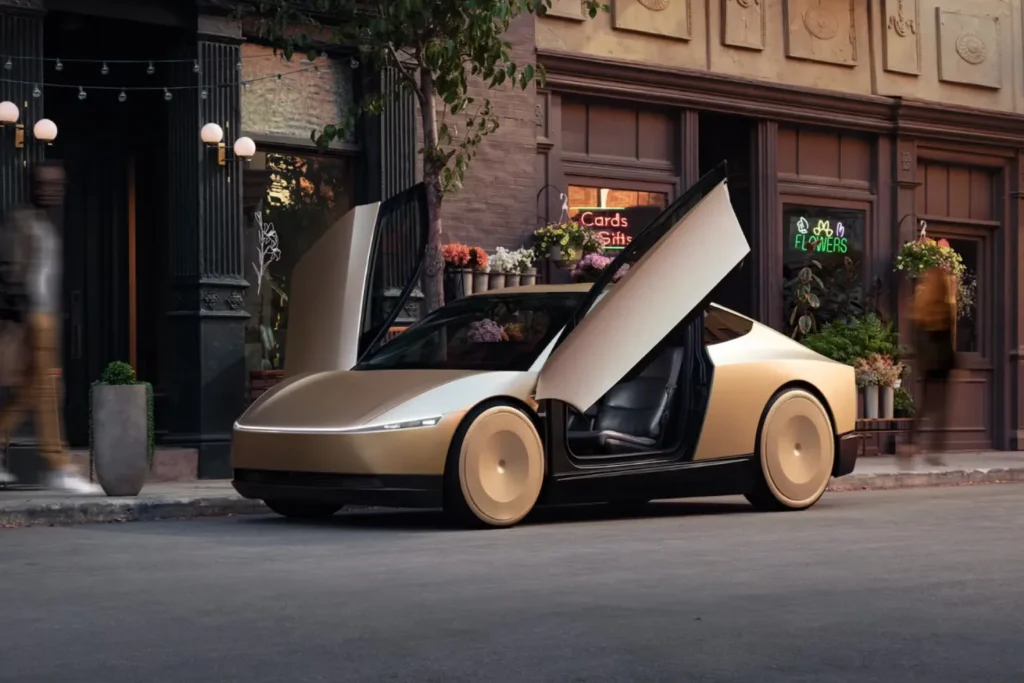
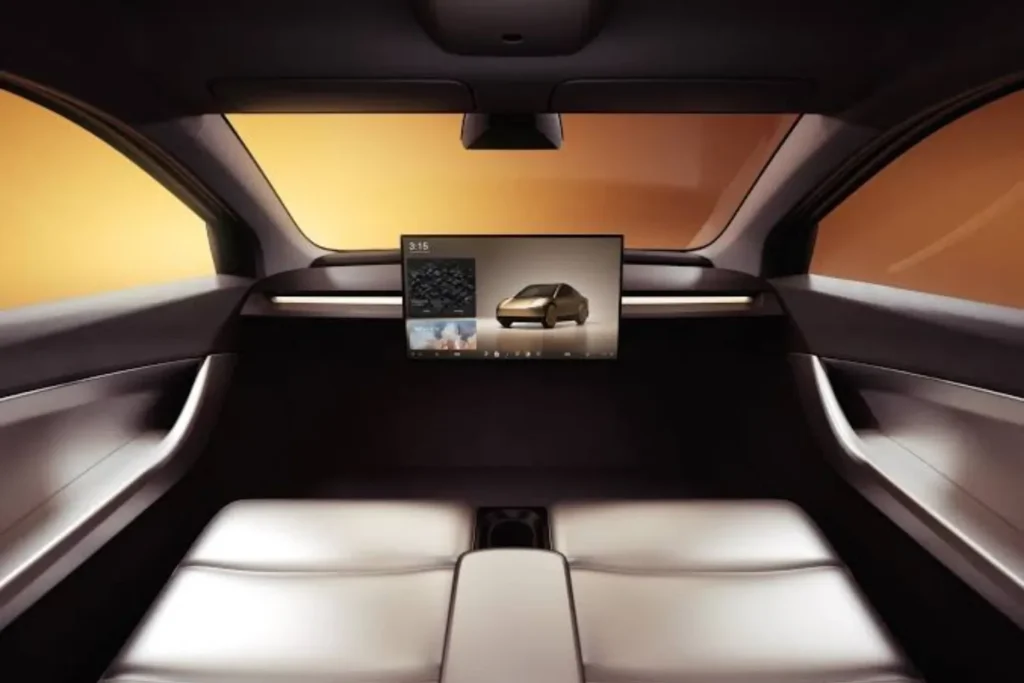
Tesla also began production of its driverless Cybercab in Texas during the quarter, while its Semi truck program remains on track for later-year production at a new Nevada factory.
Stock Reaction
TSLA shares fell more than 3% in after-hours trading following the report, extending a decline that has left the stock down roughly 11-17% year-to-date. Shares had closed the regular session at $374.01, down about 1.3% on the day.
Regional Sales Trends Diverge
Tesla’s Q2 deliveries totaled 480,126 vehicles, up 25% year-over-year and ahead of consensus estimates. However, regional performance varied sharply: US sales have been pressured by the expiration of the federal EV tax credit, while Europe saw a strong rebound, with Greater Europe registrations up nearly 108% in May and EU registrations more than doubling.
Sources: Yahoo Finance, Axios, CNBC
FAQ Tesla Q2 2026 Earnings
Did Tesla beat or miss earnings expectations in Q2 2026?
Tesla beat revenue expectations, reporting $28.24 billion versus estimates of roughly $26.4-26.7 billion, but missed on adjusted EPS, coming in at $0.33 versus an expected $0.51-0.54.
Why did Tesla’s stock fall after Q2 2026 earnings?
TSLA fell more than 3% in after-hours trading due to the EPS miss, shrinking margins, and surging capital expenditures tied to AI, Optimus, and Robotaxi spending, which pushed free cash flow negative.
How much is Tesla spending on capex in 2026?
Tesla confirmed full-year 2026 capital expenditures will exceed $25 billion, with plans to borrow up to $30 billion to fund robotics, AI, and autonomy investments.
What is Tesla’s Robotaxi status as of Q2 2026?
Tesla’s Robotaxi service now operates in seven US metro areas, including newly launched unsupervised rides in Miami, Orlando, and Tampa, alongside its established Austin operation.
How many FSD subscribers does Tesla have?
Tesla reported 1.48 million active Full Self-Driving subscriptions, up 56% year-over-year.