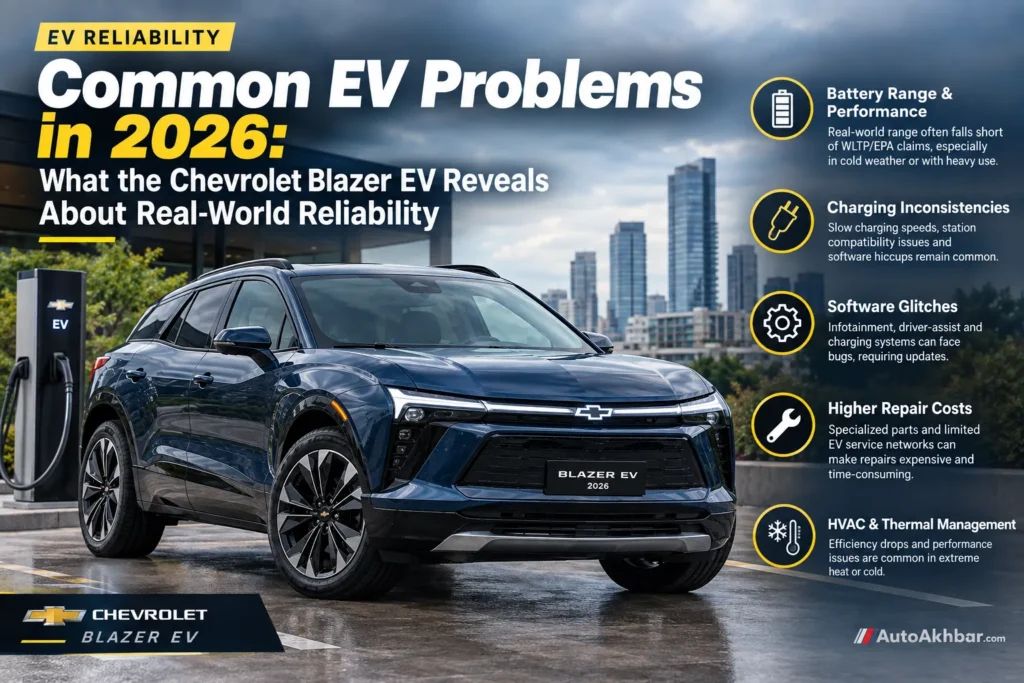

United States: Ask most car shoppers what worries them about going electric, and the answer is almost always range. But that’s not what’s actually filling up NHTSA’s complaint files this year. When you look at what owners are reporting — and use one specific, popular EV as a case study — a very different picture shows up.
Table of Contents
The Problem Isn’t What You Think
Range gets all the headlines because it’s easy to understand and easy to fear. But actual owner complaint data tells a different story: the failures piling up are electronics glitches, charging hardware faults, battery-thermal warnings, and — increasingly — brake-system software bugs, not cars stranding people on the highway with an empty battery.
Consumer Reports’ own 2026 reliability model makes this concrete. Consumer Reports expects the 2026 Chevrolet Blazer EV to be much less reliable than the average new car, based on data from the 2024 and 2025 model years. That’s not a range problem — that’s a systems problem.
Case Study: Chevrolet Blazer EV
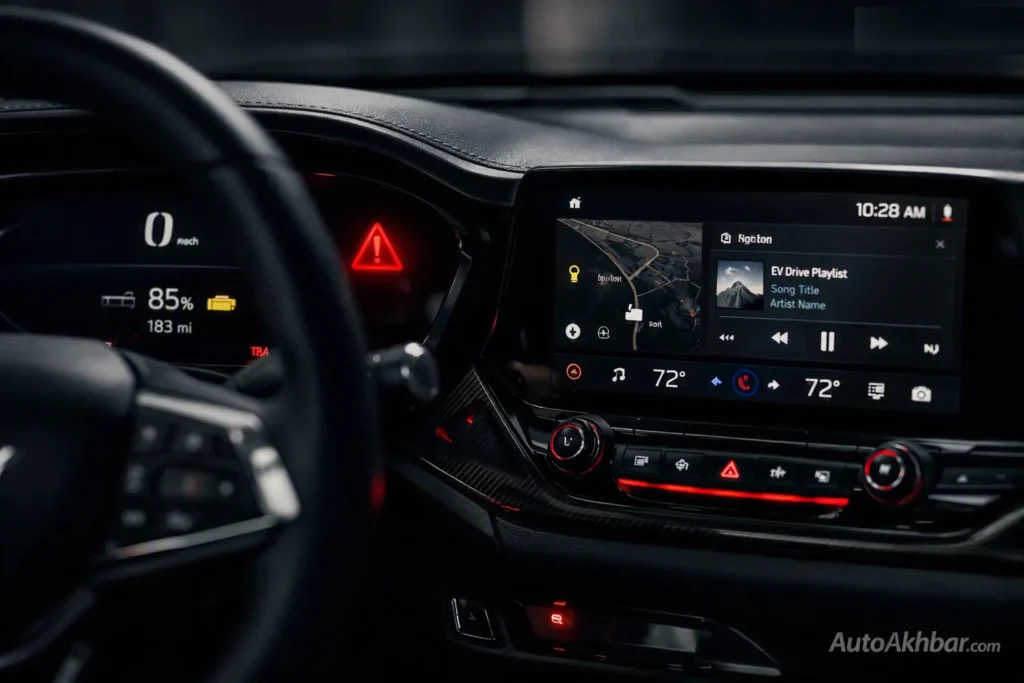
The Blazer EV is a useful example precisely because it’s a mainstream, high-volume electric SUV — not a low-volume enthusiast EV. Consumer Reports withdrew its recommendation for the Blazer EV, with owner responses pointing to trouble with the EV battery, the heating and climate control systems, and screens or in-car electronics that freeze or shut down.
This isn’t just survey data — it shows up in real-world testing too. When Edmunds bought a 2024 Blazer EV for its long-term test fleet, the car racked up a wave of error messages within its first two months of ownership, including window switch failures and a full infotainment meltdown, during a single Los Angeles-to-San Diego trip. A dealer code scan turned up 23 separate fault codes — what Edmunds called the longest list of major faults its editors had seen on any new car.
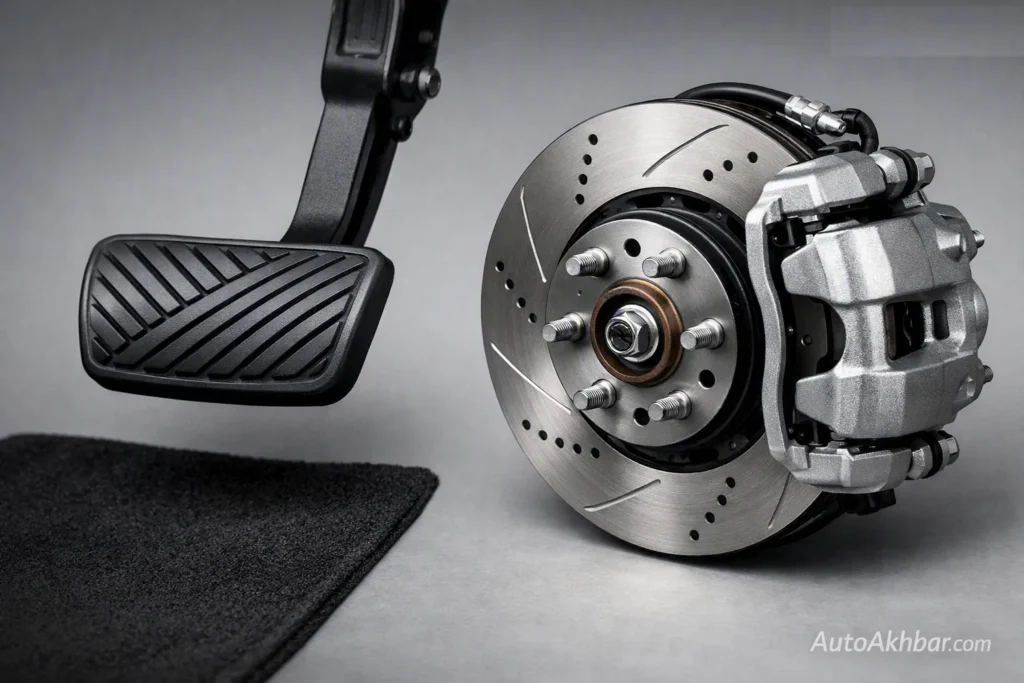
NHTSA’s own public complaint file reflects a broader pattern, not just one bad test car. As of mid-2026, the Chevrolet Blazer EV has 93 owner-submitted complaints on file. More significantly, the Blazer EV is now part of a much larger, currently open federal investigation: in August 2026, NHTSA opened Engineering Analysis EA26006 into roughly 1.16 million GM vehicles equipped with the eBoost electro-hydraulic brake system, including the Blazer EV. The investigation centers on reports of a spindle fracture inside the eBoost unit that can cause a sudden loss of brake assist, ABS, and stability control. NHTSA has logged 745 incidents tied to the issue, including 21 crashes, and has not yet ordered a recall.
Separately, GM has already recalled certain 2024–2025 Blazer EVs because the rear parking brake wiring harness could become damaged or corroded, causing unintended activation of the parking brake or a loss of parking brake function — another electrical fault, not a battery-range issue.
Also Read: AutoAkhbar’s Chevrolet Blazer EV Review
Where EVs Are Actually Breaking Down (At a Glance)
| Problem Category | What It Looks Like | Seen in Blazer EV? |
|---|---|---|
| Software / Infotainment | Frozen screens, glitchy touchscreens, system reboots | Yes |
| Charging Hardware | DC fast-charge failures, Level 2 charging faults | Yes |
| Battery / Thermal System | Thermal warnings, battery-related service visits | Yes |
| Electrical Systems | Wiring faults, brake-assist loss, parking brake malfunctions | Yes (active recall + open federal investigation) |
| Range Shortfall | Real-world range below advertised EPA figure | Not the primary reported issue |
How This Compares Across the EV Market
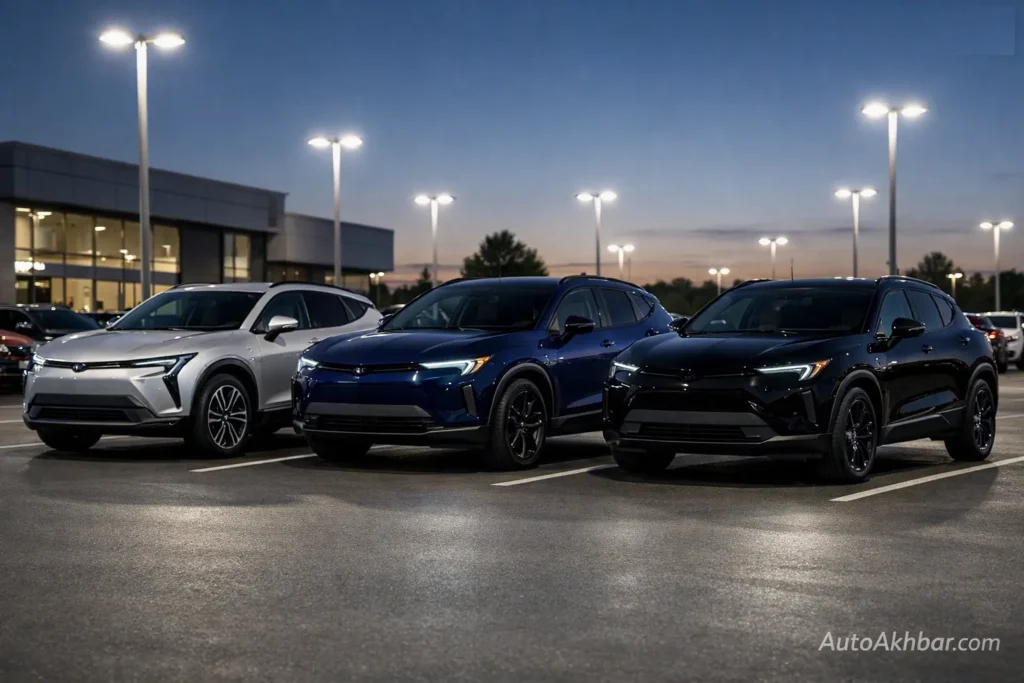
The Blazer EV isn’t an outlier — it’s representative. Other EVs that lost their Consumer Reports recommendation this year show the same pattern of software and hardware complexity outweighing traditional mechanical failures, rather than range shortfalls driving the complaints. The eBoost investigation itself spans a wide GM lineup — Buick Enclave and Envision, Cadillac Lyriq and Optiq, Chevrolet Colorado and Equinox EV, GMC Acadia and Canyon, plus the Honda Prologue and Acura ZDX built on GM’s platform — so this isn’t a Blazer-specific fluke.
This matters for buyers: the questions worth asking a dealer or a current owner aren’t “how far does it go on a charge,” but “has the infotainment system needed a reset,” “any charging faults,” and “any open recalls or investigations on this VIN.”
Before buying any EV, check its full recall and complaint history directly on the NHTSA recalls database using the vehicle’s VIN. You can also read the official NHTSA Engineering Analysis EA26006 filing for the full eBoost brake investigation details.
Also Read: Latest EV Reviews on AutoAkhbar
AutoAkhbar Verdict: Should Range Anxiety Still Be Your Top Worry?
Based on the data, no — not compared to electronics, charging, and brake-system reliability. If you’re shopping for a Blazer EV or any similarly new-generation EV, spend less time worrying about the range number on the window sticker and more time checking recall and investigation history, asking about software update patterns, and — if buying used — getting the charging and brake systems tested before you sign anything.
Worth flagging directly: as of this writing, the Blazer EV’s eBoost brake system is under open federal investigation, not just a completed recall. If you own or are considering a 2023–2026 GM vehicle with eBoost — Blazer EV, Equinox EV, Colorado, Lyriq, and several others are on the list — it’s worth tracking NHTSA’s updates on EA26006 before deciding.
Sources
- Consumer Reports — 2026 Chevrolet Blazer EV Reliability
- Edmunds — Our Chevy Blazer EV Has 23 Problems After Only 2 Months
- NHTSA — Engineering Analysis EA26006 Open Resume
- Consumer Reports Pressroom — Blazer EV Parking Brake Recall
FAQ Common EV Problems
Is the Chevrolet Blazer EV reliable in 2026?
Consumer Reports expects the 2026 Blazer EV to be less reliable than the average new car based on 2024–2025 model data, with owner-reported issues in battery, climate control, and in-car electronics, plus an active NHTSA brake-system investigation.
What are the most common EV problems in 2026?
Owner complaint data points to software and infotainment glitches, DC fast and Level 2 charging faults, battery-thermal system warnings, and electrical/brake-assist faults — not running out of range unexpectedly.
Is the Chevrolet Blazer EV under investigation right now?
Yes. NHTSA opened Engineering Analysis EA26006 in August 2026, covering roughly 1.16 million GM vehicles including the Blazer EV, over reports of sudden brake-assist loss linked to the eBoost brake system. No recall has been issued yet.
Does the Chevrolet Blazer EV have any recalls?
Yes. GM has recalled certain 2024–2025 Blazer EVs over a rear parking brake wiring harness fault, separate from the ongoing eBoost brake investigation.