

Dealerships routinely undervalue trade-ins using anchoring tricks, hidden reconditioning fees, and “payment packing” — tactics the FTC has fined dealer groups millions for. Here’s exactly how the scam works, backed by real 2024–2026 federal cases, and how to protect your trade-in dollars.
Quick Answer: Dealerships manipulate trade-in values by anchoring you to a lowball number first, hiding reconditioning and “market adjustment” deductions, and bundling your trade-in loss into a separate financing trick called payment packing. The FTC has fined multiple US dealer groups — including a $75 million case against Lindsay Auto Group in 2026 — for exactly these practices.
Table of Contents
Why Your Trade-In Offer Is Almost Never the Real First Number
Dealers open trade-in negotiations with a deliberately low number, betting that most buyers won’t push back. This “anchoring” tactic sets a reference point in your mind, so even a slightly better second offer feels generous — even when it’s still below market value. Because trade-in profit is separate from vehicle sale profit, it’s one of the least scrutinized parts of the deal.
The Kelley Blue Book Trust Trap
Many dealers show you a Kelley Blue Book (KBB) number to appear transparent and data-driven. But KBB trade-in estimates are ranges, not guarantees, and dealers often present the lowest end of that range as if it were fixed. Consumer finance writers have noted that dealers use KBB tactically to anchor buyers to a favorable number while appearing transparent, which means relying on a single valuation tool can leave real money on the table.
Real Case: The $75 Million Lindsay Auto Group Settlement (2026)
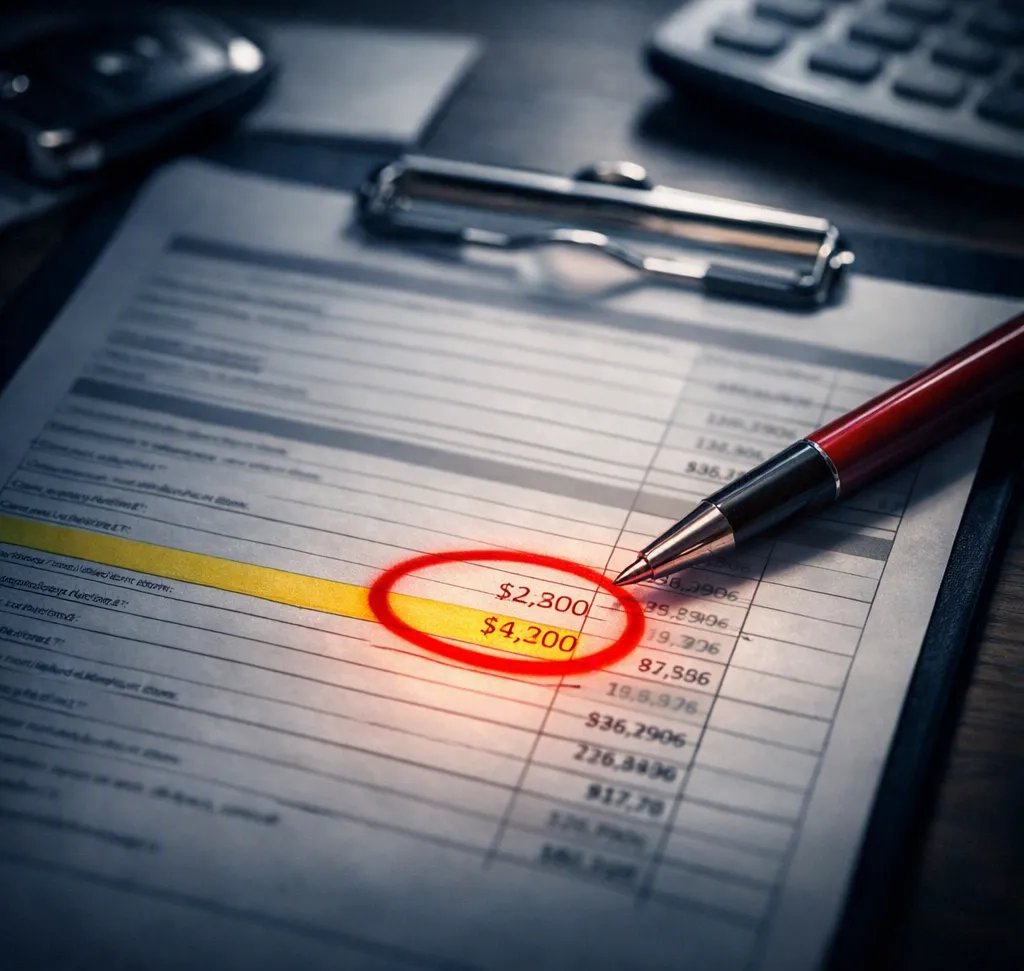
In April 2026, the FTC and Maryland’s Attorney General secured a settlement worth over $75 million in consumer restitution from Lindsay Auto Group, a Maryland-based dealership network. Regulators found that the group advertised low vehicle prices but routinely charged customers thousands more once they were in the finance office, with over 88% of a sampled group of buyers between 2020 and 2023 paying more than the advertised price. While this case centered on advertised pricing, the same “quote low, extract more elsewhere” playbook is used on trade-ins — the number you’re shown up front is rarely the number the dealer expects to actually pay you.
“Payment Packing”: How Trade-In Losses Get Hidden Inside Your Loan
Payment packing is a documented FTC enforcement term, not a rumor. The FTC’s case against Asbury Automotive Group’s Texas dealerships alleged that staff convinced buyers to agree to a monthly payment larger than needed for the agreed vehicle price, then quietly packed add-on products into the contract to absorb the difference. Applied to trade-ins, this means a dealer can shortchange your trade-in value and bury the gap inside a bigger monthly payment you never explicitly approved.
Also Read : Colton Herta Calls His 2026 Formula 2 Season ‘Pretty Disappointing’
Hidden “Reconditioning” and “Market Adjustment” Deductions
After verbally agreeing to a trade-in figure, some dealers introduce last-minute deductions for reconditioning, detailing, or a vague “market adjustment,” shaving hundreds or thousands off the promised amount. Because these deductions often appear only on the final paperwork, buyers who don’t read every line before signing can lose real value without ever being told why.
How to Protect Your Trade-In Value
Get your trade-in appraised in writing at two or three separate dealerships (and at least one independent buyer like Carvana or CarMax) before you ever mention buying a new car. Negotiate the trade-in value and the new car price as two completely separate conversations, and insist any agreed trade-in number appear as a locked line item on the final contract before you sign.
Where to Report a Trade-In Scam
If a dealership changes your agreed trade-in value at signing or hides it inside your loan payment, you can file a complaint with the FTC at reportfraud.ftc.gov or your state Attorney General’s consumer protection division. The FTC has actively pursued dealer groups on exactly these grounds since 2024, and documented complaints strengthen future enforcement.
The Bottom Line
Trade-in manipulation isn’t a rare bad-apple problem — it’s a documented, federally prosecuted pattern across major US dealer groups. Treat your trade-in offer as a starting point, not a final number, and always separate it from the new-car price negotiation.
FAQ
Is it illegal for a dealership to lowball my trade-in value?
Offering a low initial trade-in quote isn’t illegal by itself — negotiation is legal. It becomes illegal when a dealer misrepresents the value, hides deductions after verbal agreement, or buries the shortfall inside your loan through payment packing, as alleged in FTC cases against dealer groups since 2024.
What is “payment packing” in car sales?
Payment packing is when a dealer convinces you to accept a monthly payment higher than needed for your agreed price, then uses that extra room to add unwanted products or absorb a lowballed trade-in — without clearly disclosing it, per FTC allegations against Asbury-owned Texas dealerships.
Should I trust the Kelley Blue Book trade-in number a dealer shows me?
KBB is a useful reference, but dealers often present only the lowest number in a valid range. Always compare it against at least two independent online offers before accepting a dealership’s KBB-based quote.
How do I get the best trade-in value in the US?
Get written offers from 2–3 dealerships plus an independent buyer, negotiate your trade-in and new purchase separately, and confirm the trade-in figure is locked on paper before signing anything.
Has the FTC actually fined dealerships for deceptive pricing practices?
Yes. In April 2026, Lindsay Auto Group agreed to pay $3.1 million in penalties and up to $75 million in consumer restitution, and the FTC sent 97 warning letters to dealer groups nationwide in March 2026 over similar deceptive pricing practices.






Pingback: Walmart EV Charging: How It Became America's #2 Fastest-Growing Network