Union Budget 2026–27 को अगर सिर्फ headlines के नजरिये से देखा जाए, तो ऑटो इंडस्ट्री के लिए यह बजट काफी “शांत” लगता है।
ना कोई नई टैक्स छूट,
ना कोई बड़ी EV सब्सिडी,
और ना ही कोई अलग से ऑटो पैकेज।
लेकिन बजट को गहराई से पढ़ने पर साफ दिखता है कि सरकार ने बिना शोर किए भारत की ऑटो इंडस्ट्री की दिशा तय कर दी है।
Table of Contents
Capital Expenditure: असली गेम यहीं से शुरू होता है
इस बजट का सबसे मजबूत संकेत है कैपिटल एक्सपेंडिचर पर सरकार का भरोसा।
- FY27 के लिए Capital Expenditure: ₹12.21 लाख करोड़
- Effective Capital Expenditure: ₹17.14 लाख करोड़
(अब तक का सबसे ऊंचा स्तर)
इसका सीधा मतलब है:
- ज्यादा सड़कें
- ज्यादा हाईवे
- फ्रेट कॉरिडोर
- शहरी और ग्रामीण इंफ्रास्ट्रक्चर का विस्तार
और ऑटो इंडस्ट्री का एक पुराना नियम है —
जब सरकार बनाती है, तब गाड़ियां बिकती हैं।
Commercial Vehicles को मिलेगा पहला फायदा
इंफ्रास्ट्रक्चर खर्च बढ़ने का सबसे पहला असर दिखता है कमर्शियल व्हीकल सेगमेंट में।
खासतौर पर:
- ट्रक
- बस
- टिपर
- कंस्ट्रक्शन व्हीकल
इनकी मांग बढ़ना लगभग तय माना जा रहा है।
इसके बाद धीरे-धीरे असर दिखेगा:
- ट्रैक्टर
- पिक-अप व्हीकल
- एंट्री-लेवल कारों में
यानी यह बजट पहले कमर्शियल सेगमेंट को मूव करता है, फिर पैसेंजर व्हीकल्स को।
Urban Development और Transport Spending
बजट में ट्रांसपोर्ट और अर्बन डेवलपमेंट पर खर्च भी बढ़ाया गया है।
इससे फायदा मिलेगा:
- सिटी बस प्रोजेक्ट्स
- EV बसों की खरीद
- लास्ट-माइल मोबिलिटी
- शेयर ट्रांसपोर्ट सिस्टम
साथ ही:
- बेहतर शहरी प्लानिंग
- EV चार्जिंग नेटवर्क
- फ्लिट इलेक्ट्रिफिकेशन
इन सबको जमीन पर उतारना आसान होगा।
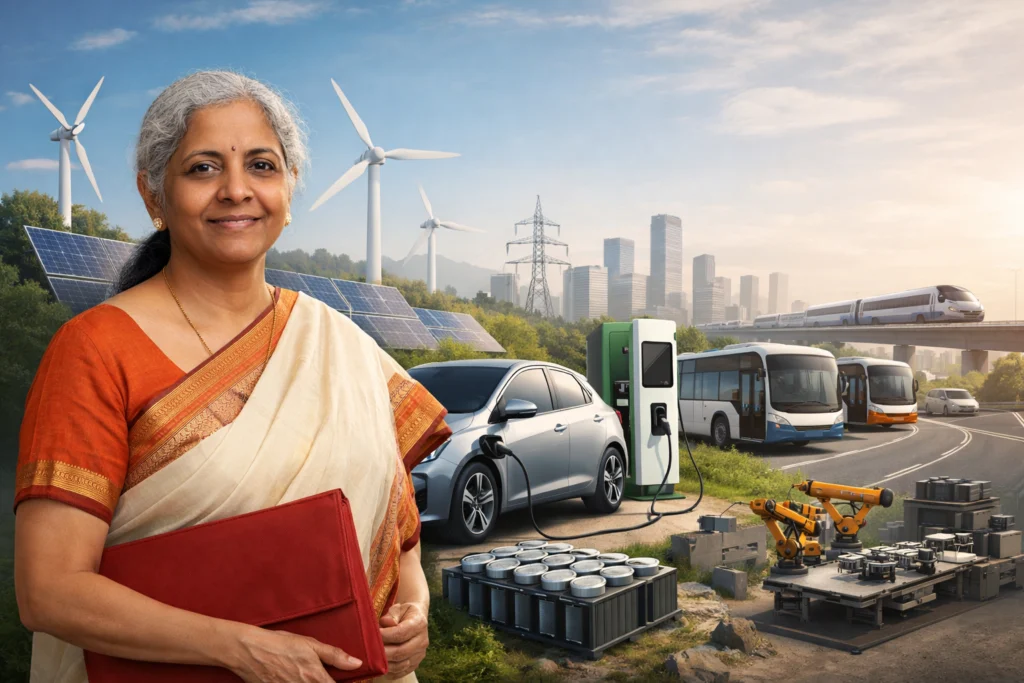
Energy Strategy: सिर्फ EV नहीं, Multi-Fuel Future
एनर्जी सेक्टर पर बढ़ता खर्च यह साफ करता है कि सरकार किसी एक टेक्नोलॉजी पर दांव नहीं लगा रही।
फोकस रहेगा:
- EV
- Hybrid
- CNG
- LNG
- Future fuels
यह अप्रोच ऑटो कंपनियों के लिए पॉजिटिव है, क्योंकि इससे टेक्नोलॉजी ट्रांजिशन में अचानक झटके नहीं आएंगे।
States को ज्यादा फंड: Tier-2 और Tier-3 शहरों की भूमिका
राज्यों को ज्यादा पैसा देने का सीधा असर भी ऑटो सेक्टर पर पड़ता है।
क्योंकि:
- सड़कें राज्य बनाते हैं
- बसें राज्य खरीदते हैं
- EV पॉलिसी राज्य लागू करते हैं
इसका मतलब है:
- Tier-2 और Tier-3 शहरों में
- ऑटो डिमांड बढ़ने की मजबूत संभावना
सबसे अहम बात: Policy Stability
शायद इस बजट की सबसे बड़ी खासियत यह है कि इसमें:
- ना कोई नया ऑटो टैक्स
- ना GST में बदलाव
- ना कोई अचानक नीतिगत झटका
यह Policy Stability ऑटो कंपनियों और ग्राहकों — दोनों के लिए बेहद जरूरी है।
Final Take: Discount नहीं, Demand Creation Budget
Union Budget 2026–27 कोई discount-driven budget नहीं है।
यह एक demand creation budget है।
यह बजट:
- सड़कें बनाएगा
- शहर तैयार करेगा
- ऊर्जा सिस्टम मजबूत करेगा
- और उसी के साथ ऑटो इंडस्ट्री को आगे बढ़ाएगा
ऑटो सेक्टर के लिए संदेश बिल्कुल साफ है —
यह बजट तुरंत फायदा नहीं, बल्कि लंबी रेस की तैयारी है।
FAQs: Union Budget 2026–27 & Auto Industry
What is the Union Budget for 2026–27 from an auto industry perspective?
Union Budget 2026–27 does not announce any direct tax cuts, subsidies, or special packages for the auto industry. Instead, it focuses on higher capital expenditure, infrastructure expansion, transport spending, and energy transition, which indirectly supports auto demand, especially in commercial vehicles and mass mobility segments.
What is the theme of Budget 2026–27 for the auto sector?
The core theme impacting the auto industry is “Infrastructure-led demand creation with policy stability.”
Rather than pushing short-term incentives, the budget emphasizes:
> Roads and highways
> Urban transport
> Energy diversification
> Long-term mobility planning
This approach supports sustainable growth rather than immediate sales boosts.
What are the key changes in Budget 2026–27 affecting the auto industry?
Major changes relevant to the auto sector include:
> Increased capital expenditure allocation
> Higher spending on transport and urban development
> Continued focus on multi-fuel energy strategy (EV, hybrid, CNG, LNG)
> Higher fund allocation to states for infrastructure
Notably, there are no changes in GST rates or new auto-specific taxes, which maintains cost stability.
What are the main highlights of Budget 2026–27 for the auto industry?
Key highlights include:
> Record-level effective capital expenditure driving infrastructure growth
> Strong push for city buses, EV buses, and last-mile mobility
> Indirect demand boost for trucks, buses, tractors, and entry-level vehicles
> Supportive environment for EV charging and fleet electrification
> Policy continuity without sudden regulatory shocks
Overall, the budget supports long-term auto demand rather than short-term incentives.
Which auto segments are likely to benefit the most from Budget 2026–27?
The segments expected to benefit first include:
> Commercial vehicles (trucks, buses, tipper trucks)
> Construction and infrastructure vehicles
> Tractors and pickup vehicles
> Urban mobility solutions including EV buses
Passenger vehicle demand may see a gradual impact as infrastructure projects translate into economic activity.
Does Budget 2026–27 offer any new EV subsidies or incentives?
No major new EV subsidies or direct incentives have been announced in Budget 2026–27.
However, increased spending on urban transport, energy infrastructure, and charging networks indirectly supports EV adoption without relying on direct subsidies.
Why is policy stability important for the auto industry in Budget 2026–27?
Policy stability reduces uncertainty for:
> Auto manufacturers
> Component suppliers
> Fleet operators
> Vehicle buyers
By avoiding sudden tax or regulatory changes, Budget 2026–27 allows companies to plan investments and product strategies with greater confidence.
Is Union Budget 2026–27 a short-term or long-term positive for the auto industry?
Union Budget 2026–27 is clearly a long-term positive for the auto industry.
It prioritizes infrastructure creation, urban mobility, and energy readiness, which will gradually translate into sustained vehicle demand rather than immediate sales spikes.