
Quick answer: Sony holds a US patent for a car system that detects an advertisement and releases a matching scent inside the vehicle. It is a patent, not a confirmed product, and no carmaker has announced it.
Table of Contents
What the Sony patent describes
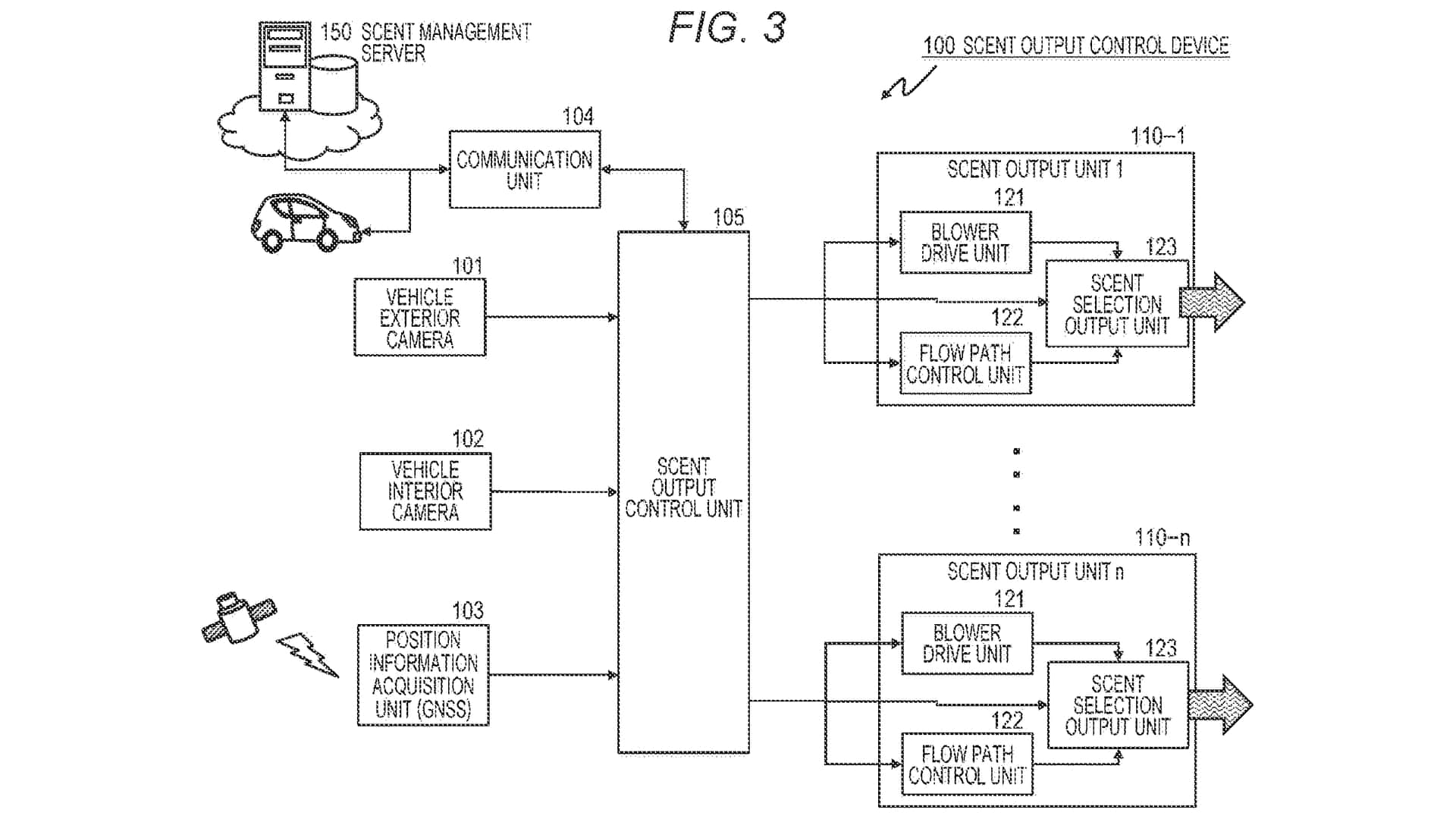
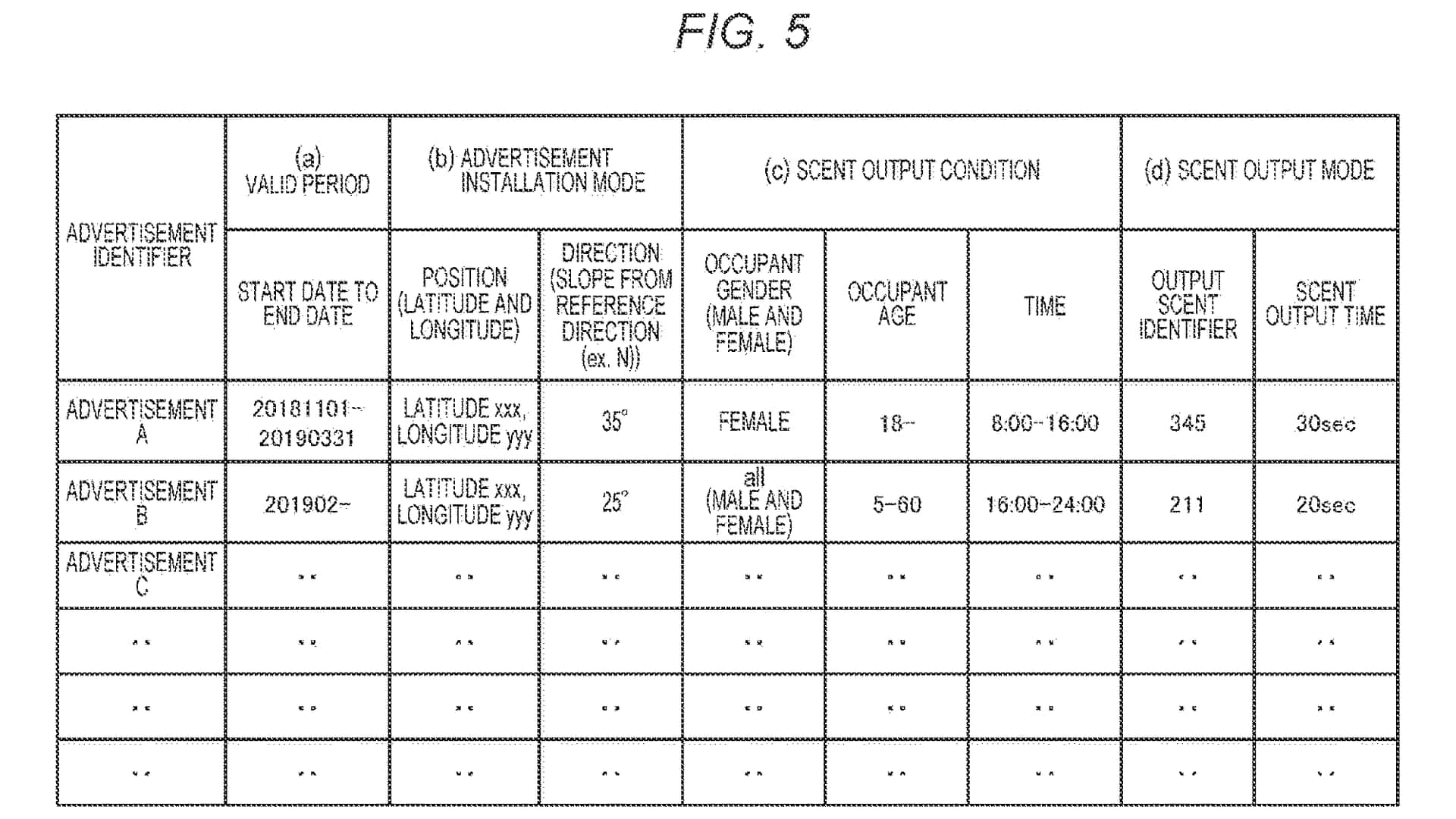
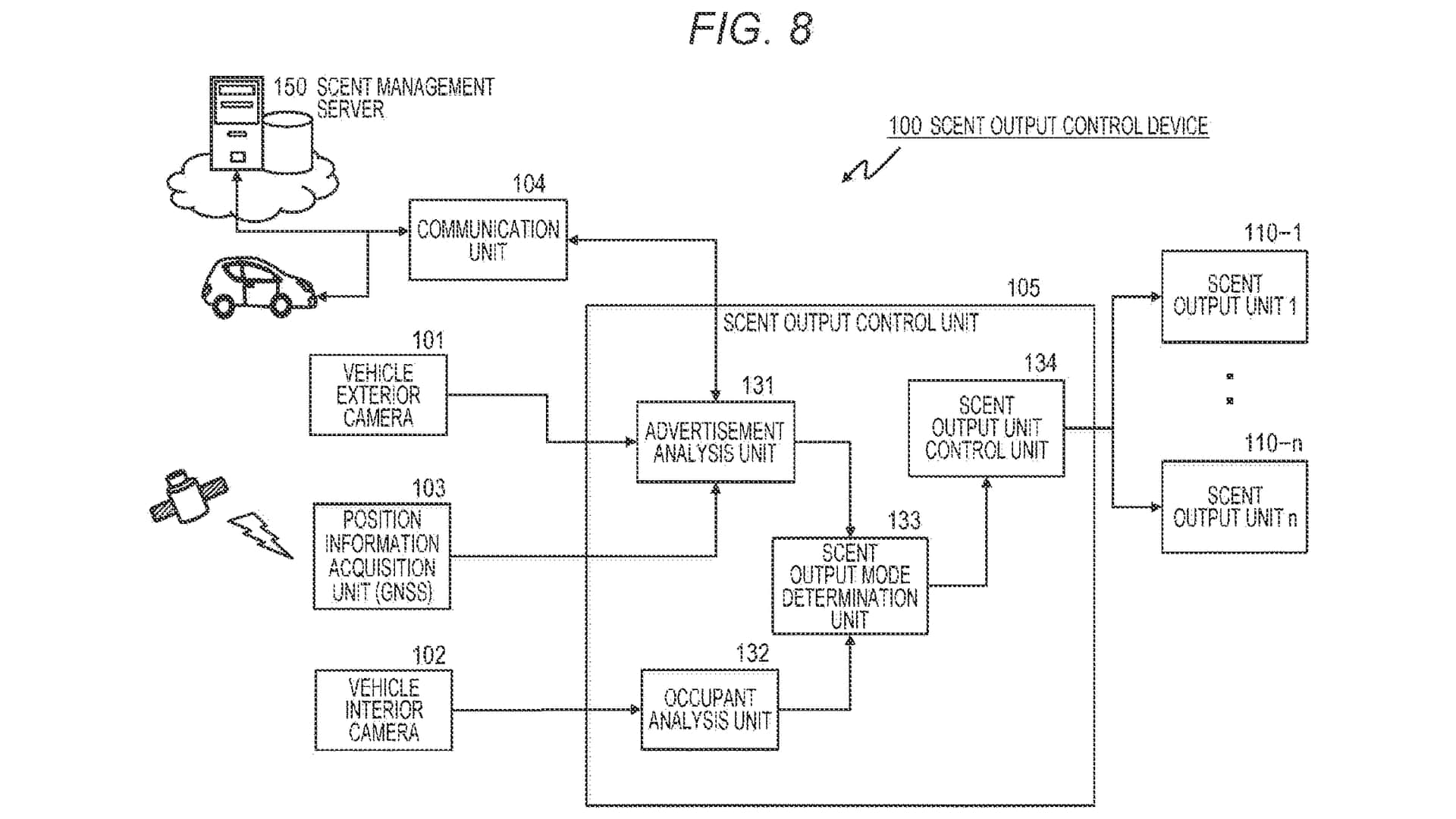
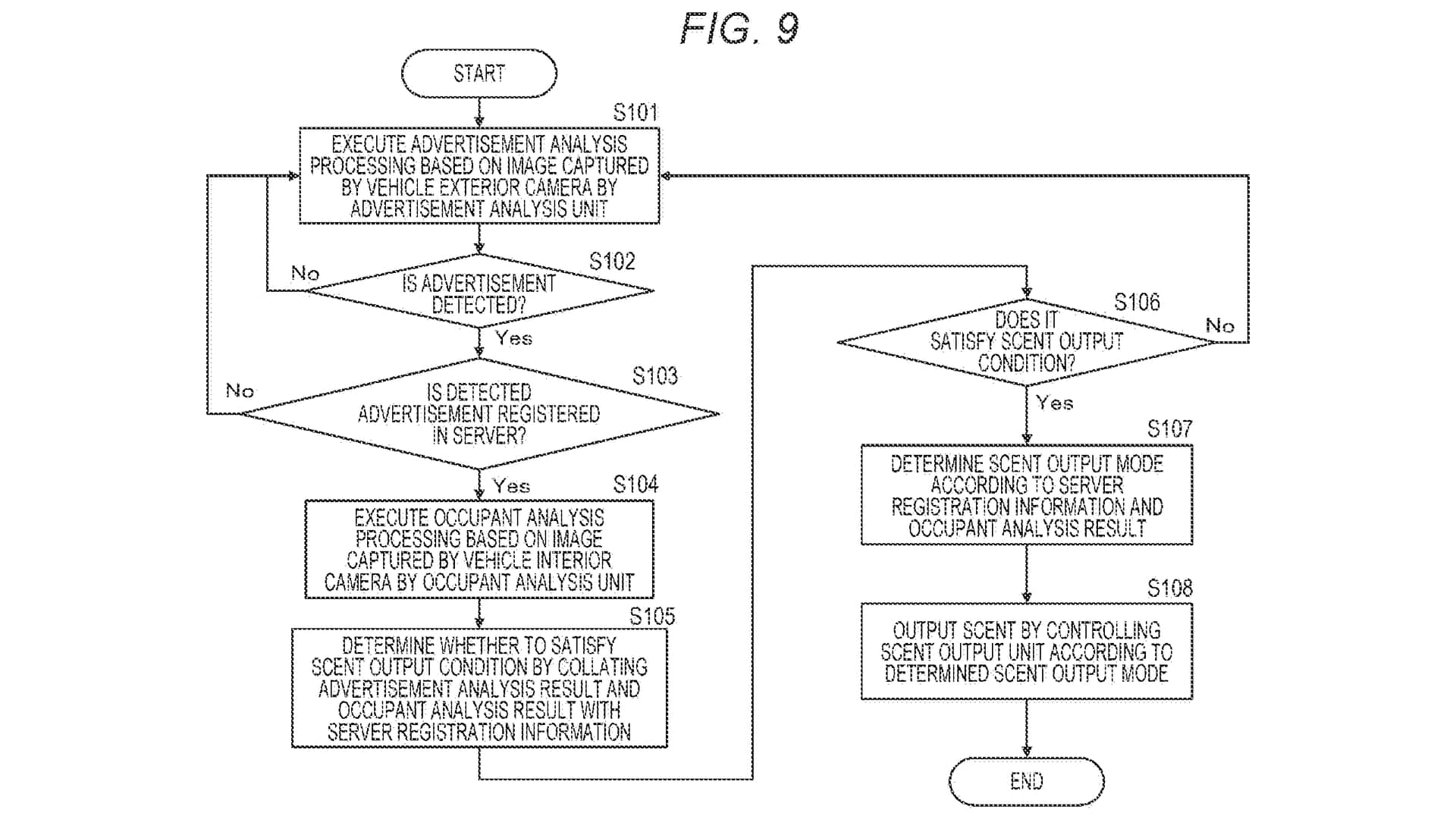
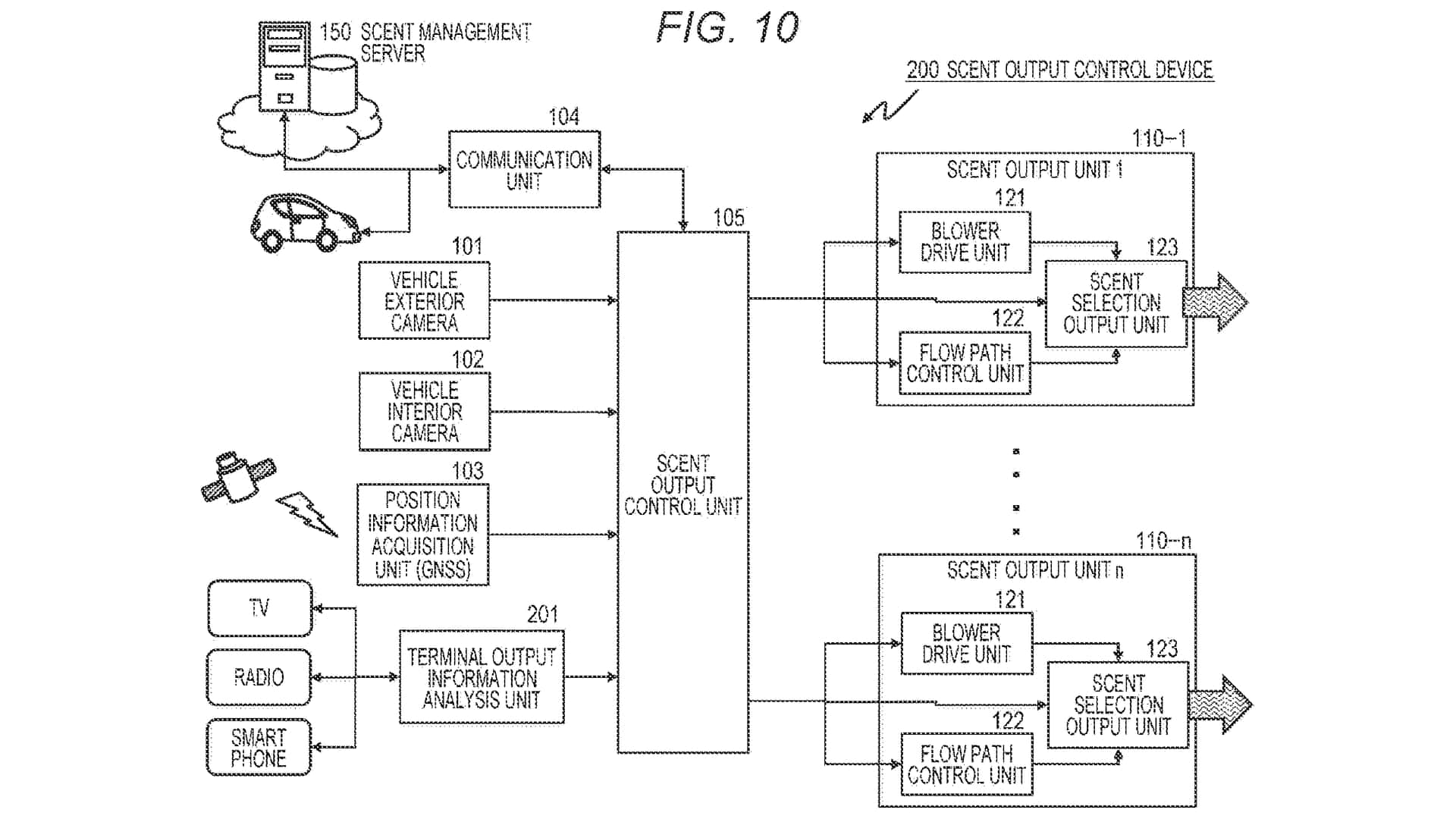
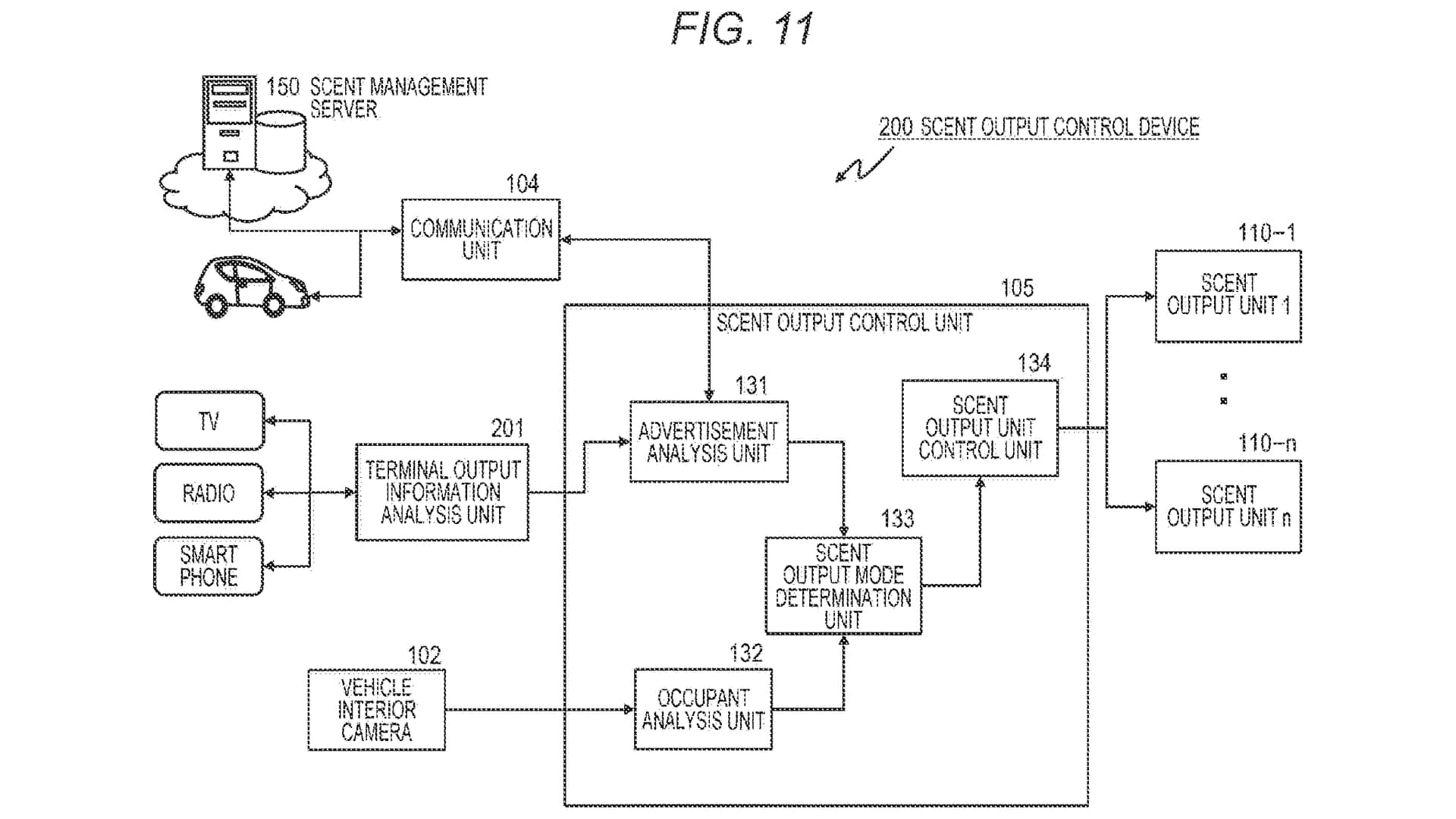
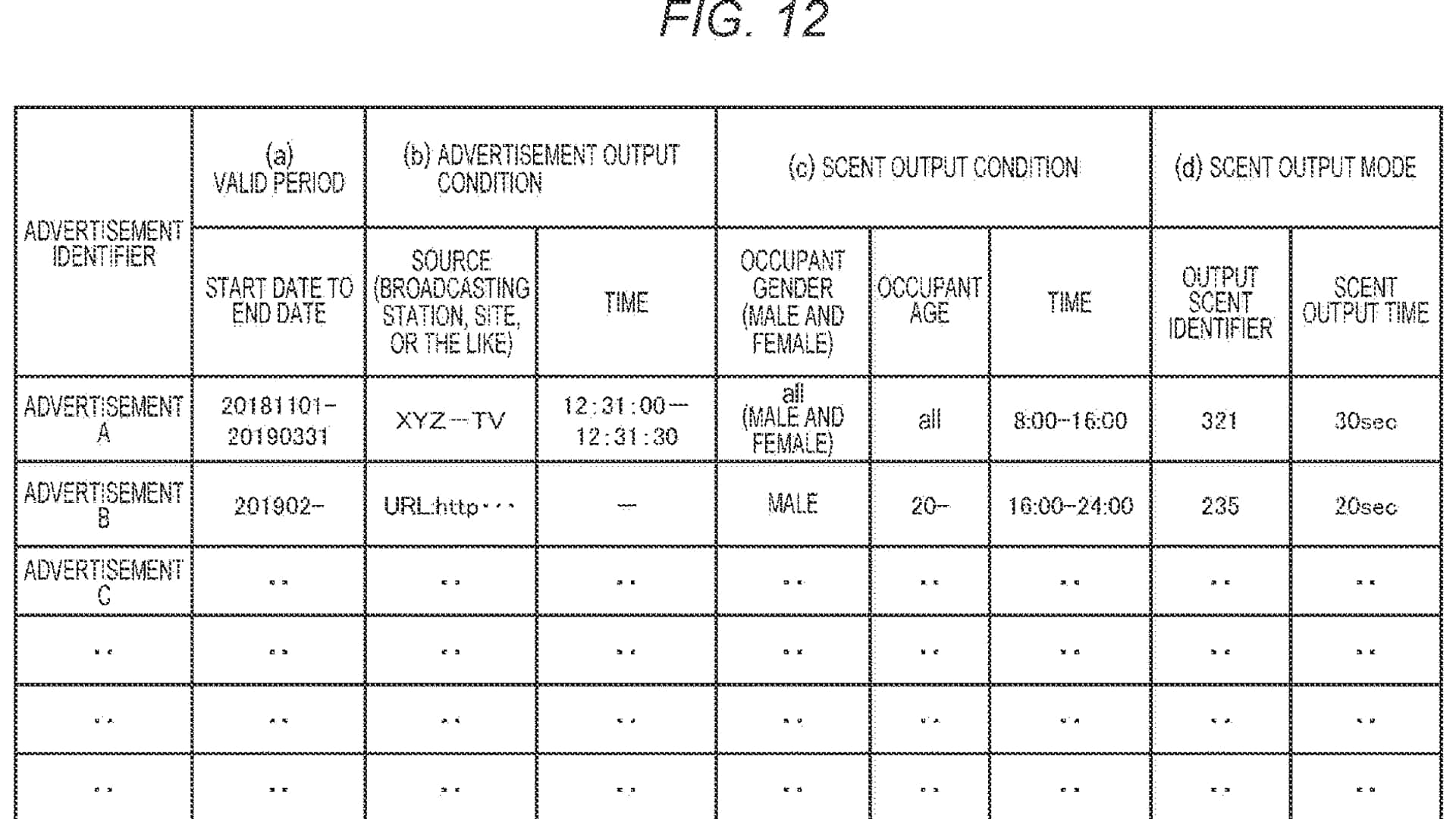
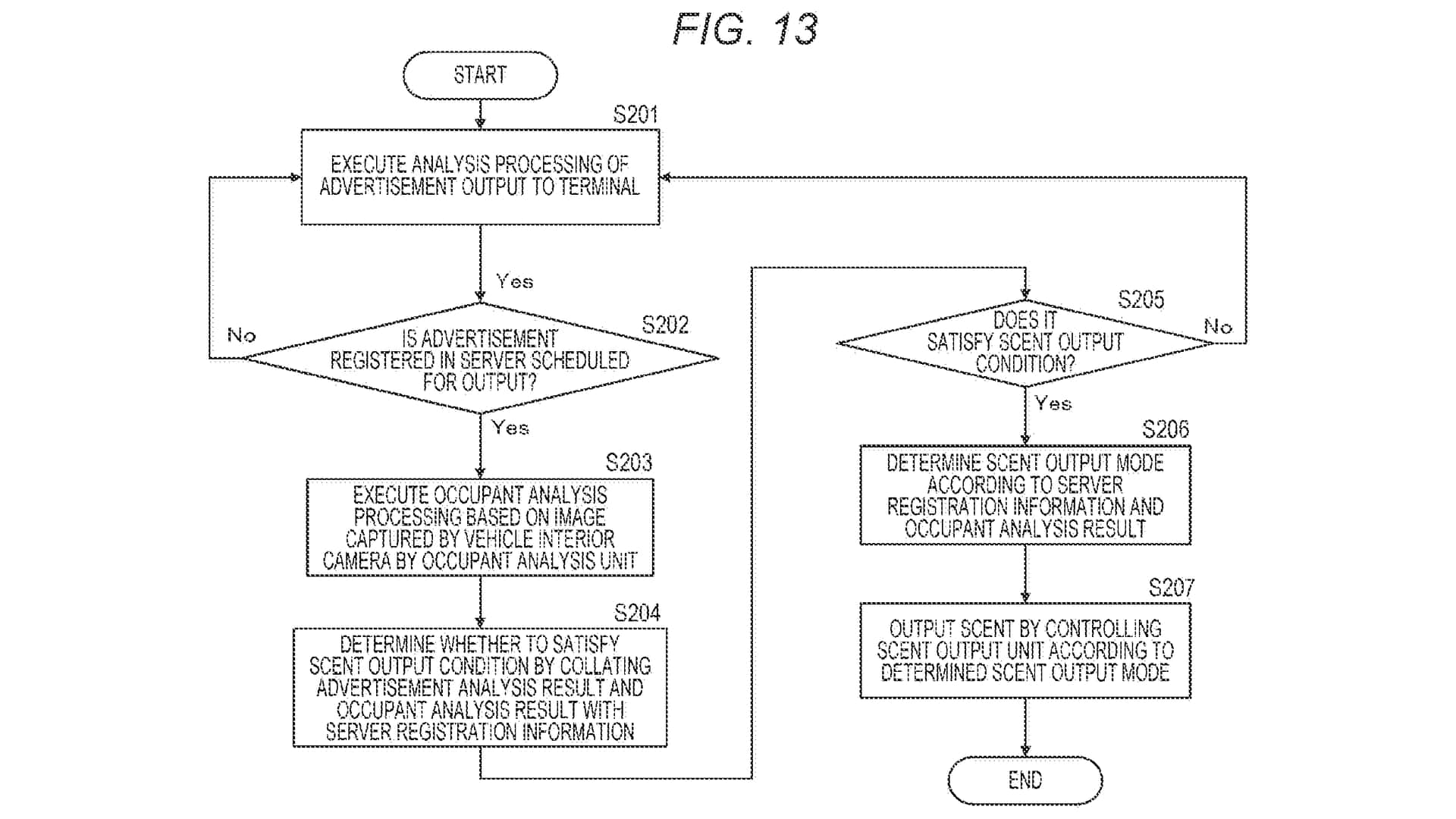
The patent, US11987102B2, was granted on May 21, 2024 to Sony Group Corporation and is titled “Scent output control device and scent output control method,” per Google Patents. The idea: a scent output control unit picks a smell based on an advertisement the car can see, either through an exterior camera or on the car’s own information display.
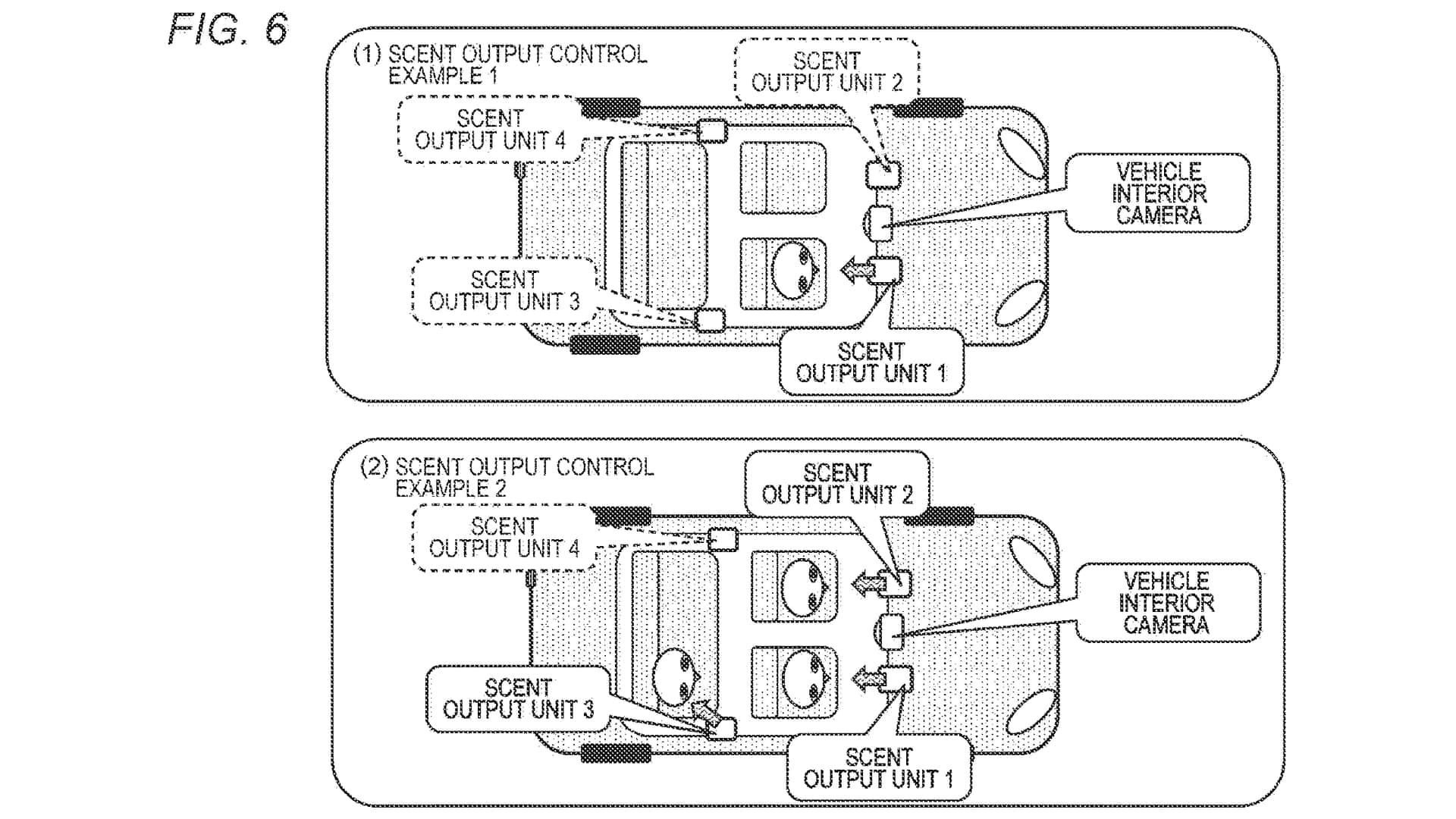
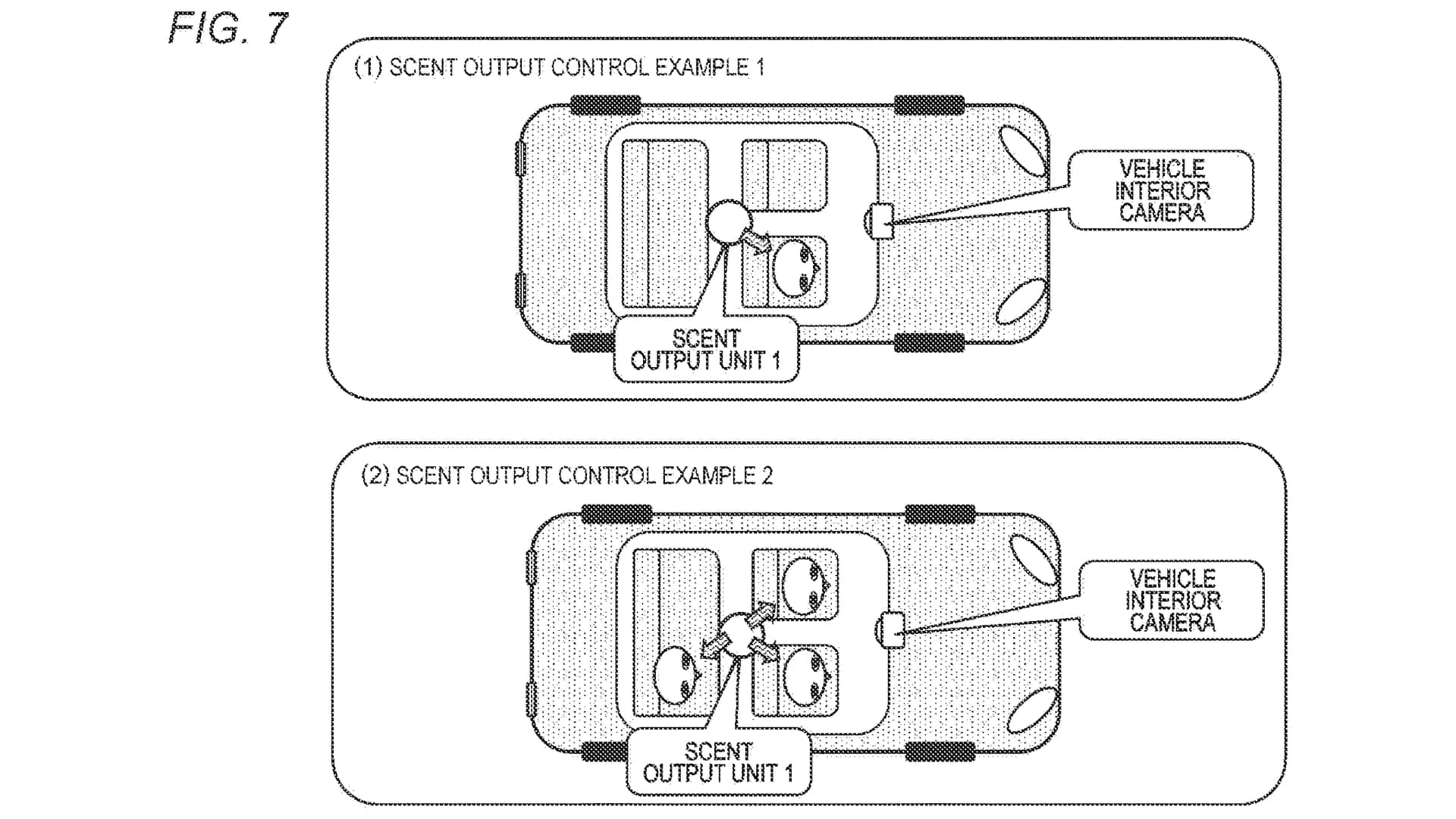
The filing also describes using an interior camera to analyze an occupant and choose a scent that suits them. The latest Motor1 coverage brought the idea back into the spotlight.
How it could work
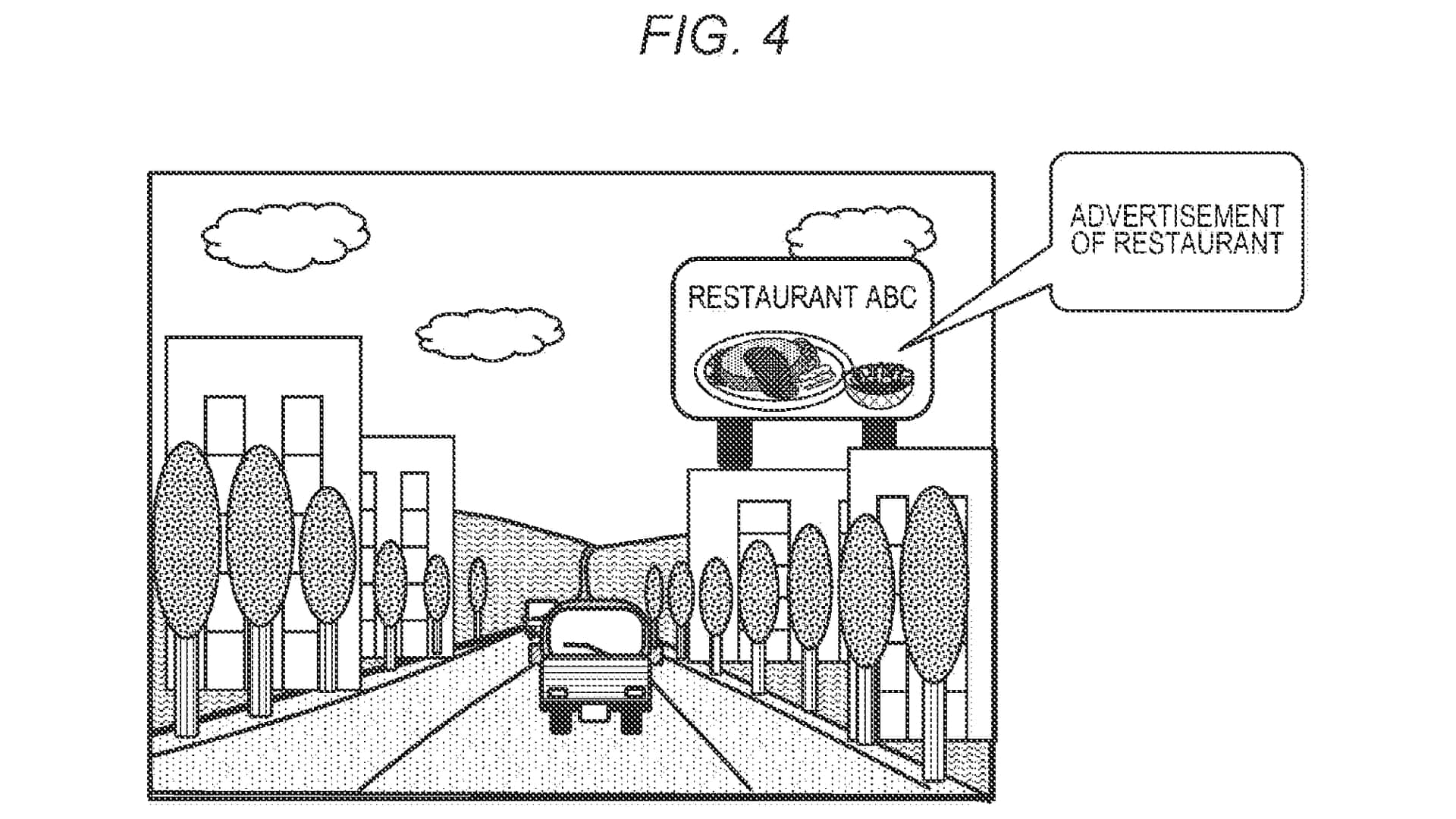
- An outside camera spots a billboard or ad.
- Software identifies the ad and selects a matching scent.
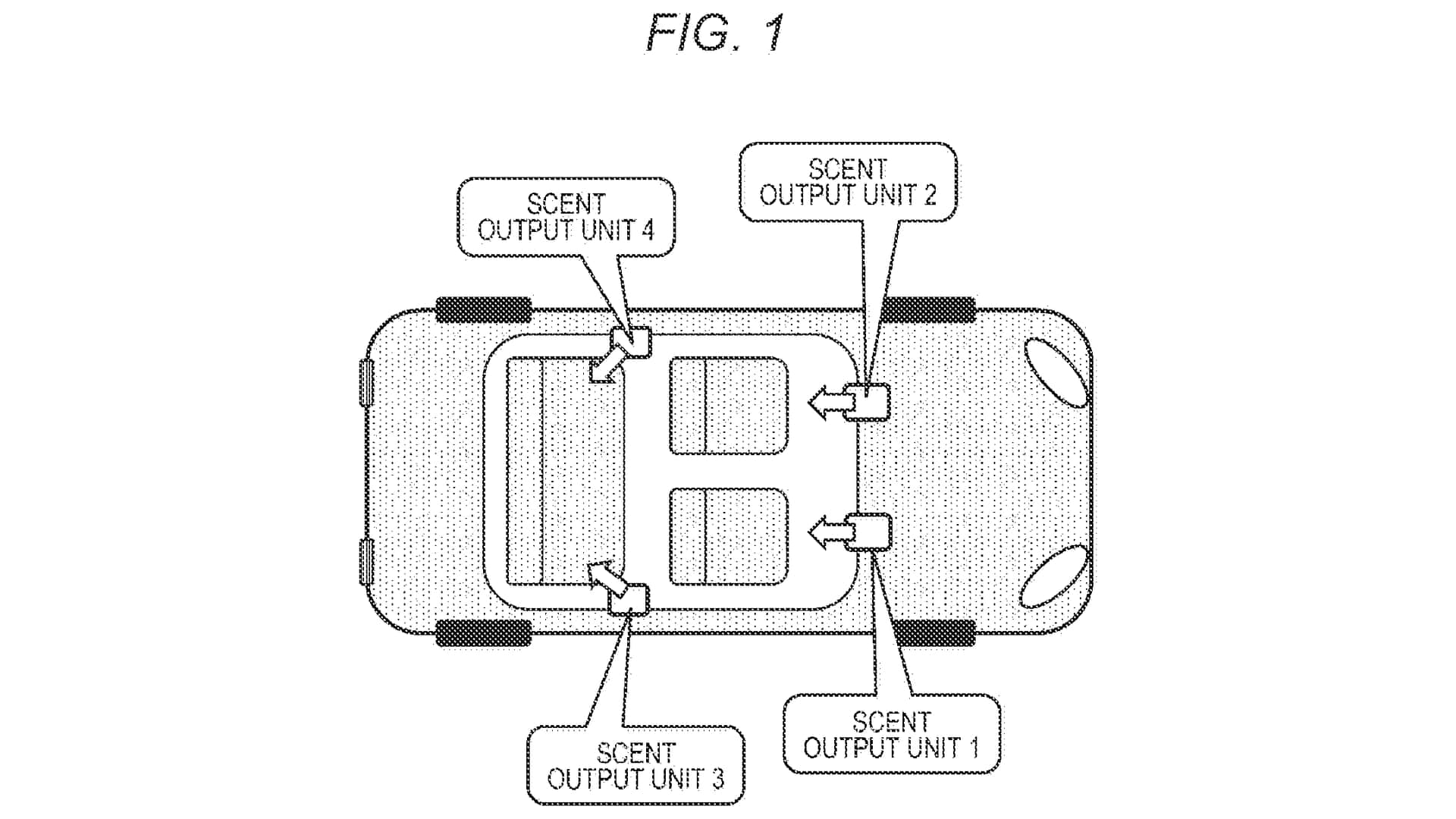
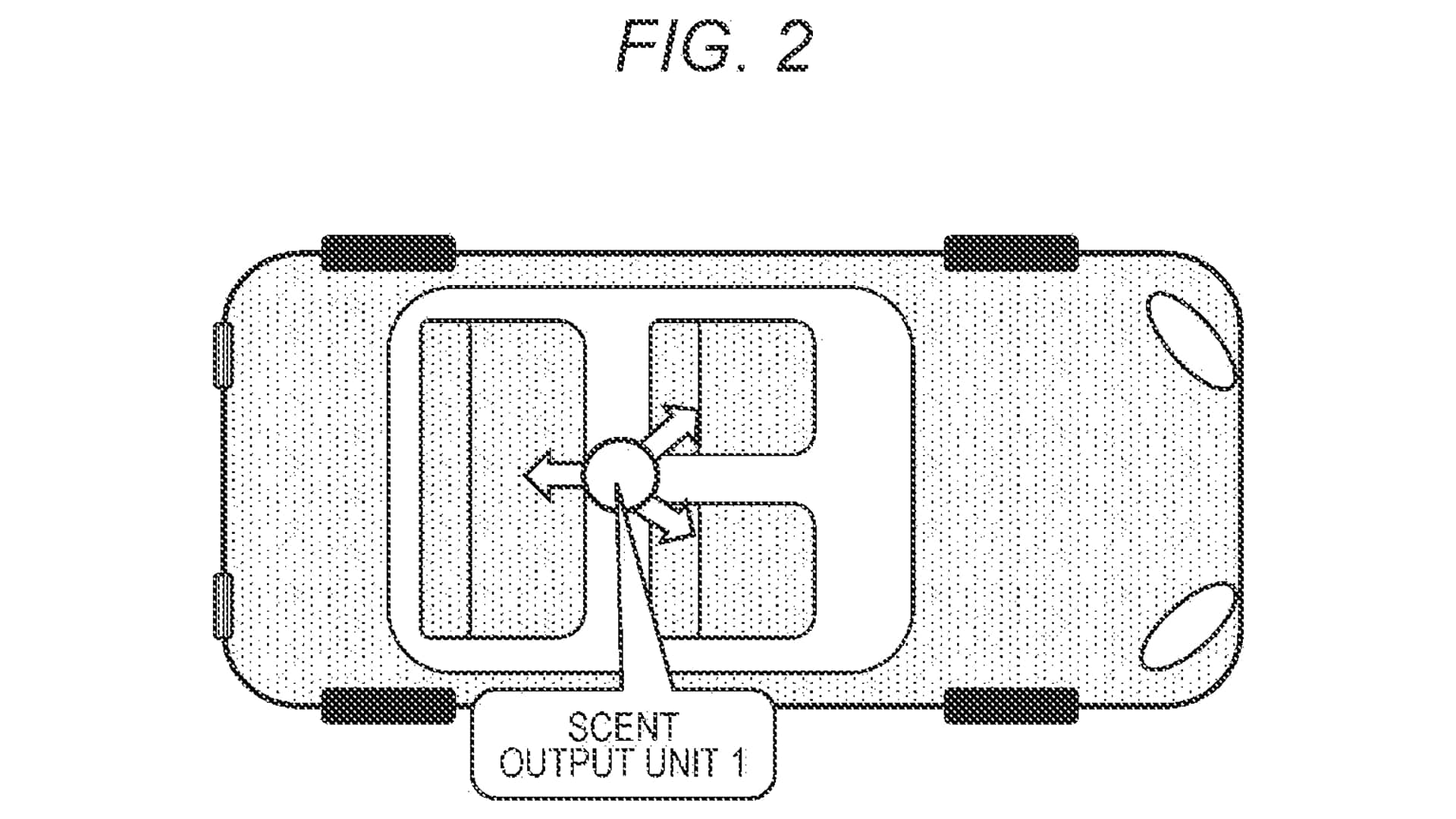
- A dispenser releases the fragrance into the cabin.
- An interior camera can tailor the scent to the person inside.
Why carmakers might like it
Cars are becoming screens-and-sensors platforms, and brands are looking for new ways to earn money from them. A scent that connects to a coffee ad or a restaurant billboard would be a novel, hard-to-ignore advertising channel. Scent is also strongly linked to memory and mood, which makes it attractive to marketers.
The concerns
This is our analysis, not part of the patent. First, privacy: a system that uses cameras to read ads and occupants raises questions about what data is collected and who sees it. Second, distraction: unexpected smells could pull attention from the road. Third, consent: many drivers simply may not want ads they can smell in a space they own.
Sony has also filed other scent-related patents covering aroma devices and fragrance cartridges, as listed on Justia Patents, which shows the company is actively exploring the area.
Also read : BYD Yangwang U7: The 1,287 HP Electric Sedan That Does Tank Turns and Claims 600+ Miles
Will it ever reach a real car?
Companies patent many ideas that never ship. Sony has not announced a launch, a partner carmaker or a date, so treat this as a glimpse of where in-car advertising could go rather than a feature coming to your next car.
Bottom line
An ad-triggered scent system sounds quirky, but it fits a wider push to personalize the cabin. Whether drivers would accept it is the bigger question. AutoAkhbar.com will report if any automaker shows interest.
Not the first scent idea in cars
The patent itself cites earlier ideas. One Japanese application, listed as prior art, describes a car that automatically releases a specific scent when it approaches a place or facility, to guide the driver. A separate European patent describes a vehicle accessory that senses visual objects or smells around the car and releases matching smells inside. What is different about Sony’s filing is the link to advertising and the use of cameras to decide what to release, which is exactly why privacy advocates and regulators would probably take interest if it ever shipped.
Source: Google Patents (US11987102B2); Justia Patents; Motor1 US.
FAQ Sony car scent patent
Is Sony really putting ad-based scents in cars?
Sony holds a granted US patent describing it, but no car or product has been announced.
How would the system pick a scent?
The patent says a control unit selects a scent based on an advertisement detected by an exterior camera or shown on the car’s information display.
Can it personalize scents for the person inside?
Yes. The filing describes analyzing an occupant through an interior camera to choose a suitable scent.