
Quick Answer
NHTSA has announced it will overhaul US vehicle lighting standards, which have not had a major brightness update since 1997. The aim is to curb blinding glare and make room for newer systems such as adaptive driving beams. Rule changes will go through negotiated rulemaking, so nothing changes immediately.
Table of Contents
What NHTSA announced
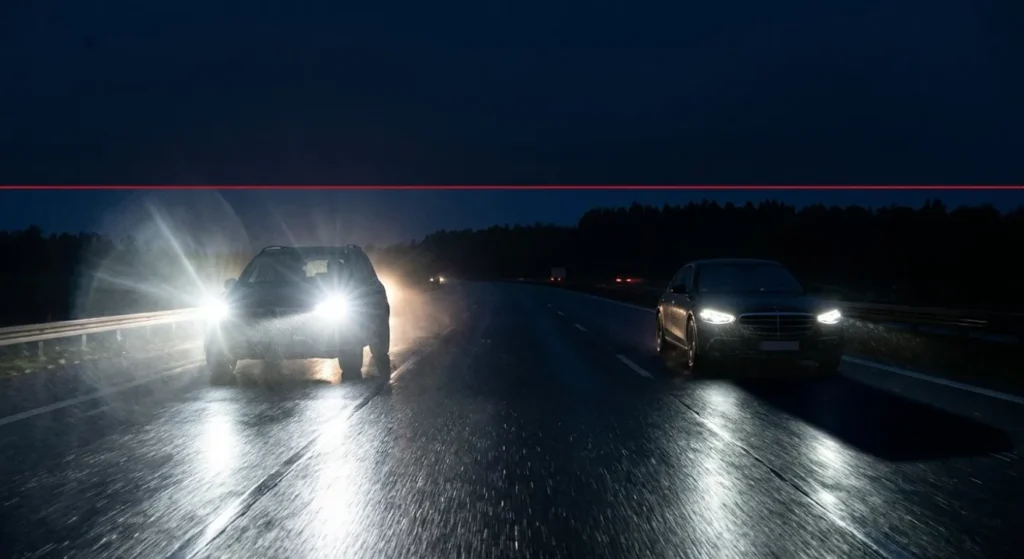
NHTSA says it will overhaul federal vehicle lighting standards to curb blinding headlight glare while allowing newer safety technology. The rules governing minimum and maximum brightness have not seen a major update since 1997, and no final rule or deadline has been announced.
AutoGuide reports the agency will re-examine rules for LED technology, dusk sensors, automatic high beams and replaceable light sources. It will also review how mounting heights and factory alignment angles affect driver visibility.
Why adaptive driving beams matter
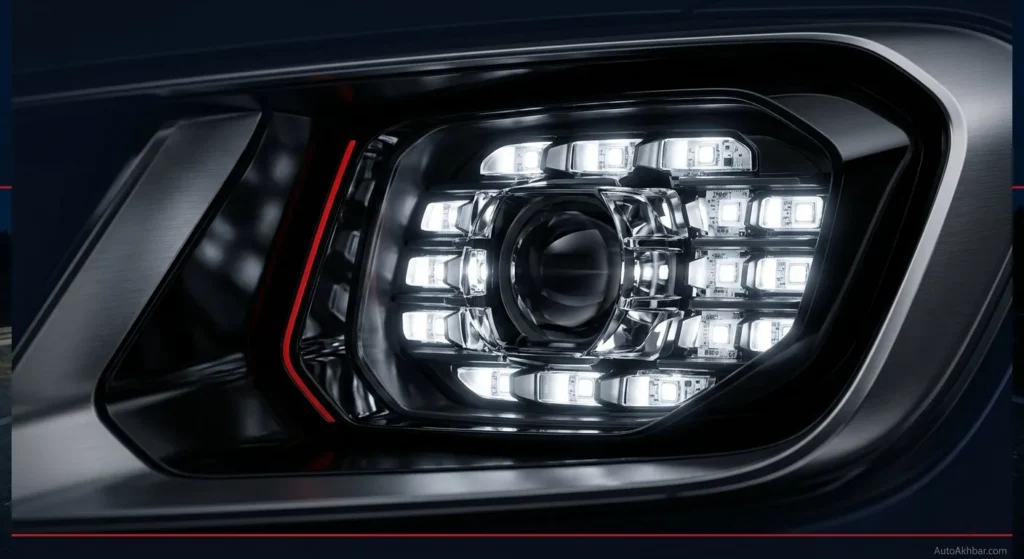
Adaptive driving beam (ADB) headlights run like high beams and dim only the portion aimed at oncoming vehicles. NHTSA legalised ADB in 2022, but strict testing procedures have slowed adoption in the US, so the rewrite is partly about removing that obstacle.
NHTSA has previously said the technology has the potential to reduce crash risk by improving visibility without adding glare, with benefits for pedestrians, cyclists and animals, as an earlier report on the plan noted.
| Item | Detail |
|---|---|
| Last major brightness-rule update | 1997 |
| Process | Negotiated rulemaking |
| Docket | NHTSA-2026-1981 |
| ADB legalised | 2022 |
| Topics under review | LEDs, dusk sensors, auto high beams, replaceable light sources, mounting height, alignment |
| Final rule | Not issued; no date announced |
Does glare actually cause crashes?
The data suggest headlight glare plays a relatively minor role in serious crashes. But drivers over 70 are disproportionately sensitive to it, and recovery time after being dazzled can increase significantly on unlit roads, according to the study cited in AutoGuide’s report.
That gap between loud driver complaints and modest crash statistics is exactly why the rewrite needs evidence. Annoyance is real, but regulators will want measurable safety gains before changing limits.
Also read : Range Rover Sport Recalls 2026: One Truck, 873 Others, How to Check
What drivers should expect
- No immediate change: current cars keep their current headlights.
- Negotiated rulemaking is meant to fast-track updates, but a final rule still takes time.
- NHTSA has not announced new brightness limits, so claims of “”brighter lights coming”” are premature.
Why this rewrite is not simple
Negotiated rulemaking brings regulators, automakers and other stakeholders to the table before a formal proposal, which is designed to speed things up. Even so, headlight rules touch brightness limits, test procedures, aiming and mounting height at once, and each change has trade-offs for visibility and glare.
Automakers have pushed for updates for years. An earlier report on NHTSA’s plans noted that Audi and Toyota had lobbied the agency, Audi partly to get laser headlights approved for US roads. The same report said many 2018 and 2019 model-year vehicles performed poorly in government and independent headlight tests, particularly versions below top-trim LED units.
That last point matters for affordability: if the new rules reward good low-beam design on every trim level, buyers of cheaper cars could benefit as much as owners of premium models.
AutoAkhbar view
A 1997 standard cannot sensibly govern modern LED and sensor-based lighting. The rewrite is overdue, but its value depends on details NHTSA has not shared yet: test methods, glare limits and how fast ADB can reach mainstream cars.
Sources: AutoGuide, OKCFox (Internet Brands Automotive).
Frequently Asked Questions
What is NHTSA changing about headlights?
NHTSA will overhaul federal lighting standards, last majorly updated in 1997, to reduce glare and enable newer technology such as adaptive driving beams.
What are adaptive driving beam headlights?
ADB headlights act as high beams and dim only the part of the beam aimed at oncoming vehicles. NHTSA legalised them in 2022.
When will the new headlight rules take effect?
No timeline has been announced. NHTSA is using negotiated rulemaking (docket NHTSA-2026-1981), and no final rule has been issued.
Will new car headlights be brighter?
NHTSA has not announced new brightness limits. Its stated aim is to curb glare while allowing advanced lighting systems.