The NVIDIA self-driving future is already here — and most people don’t even realize it. Nvidia isn’t just making GPUs or expensive graphics cards anymore. It’s quietly becoming the brain behind autonomous cars, robotaxis, robots, tractors, delivery bots, and even surgical systems across the United States.
While Tesla, Lucid, Mercedes-Benz, and Uber grab headlines, Nvidia runs in the background — powering perception, reasoning, and decision-making through AI.
And once you see the full picture, there’s no un-seeing it.
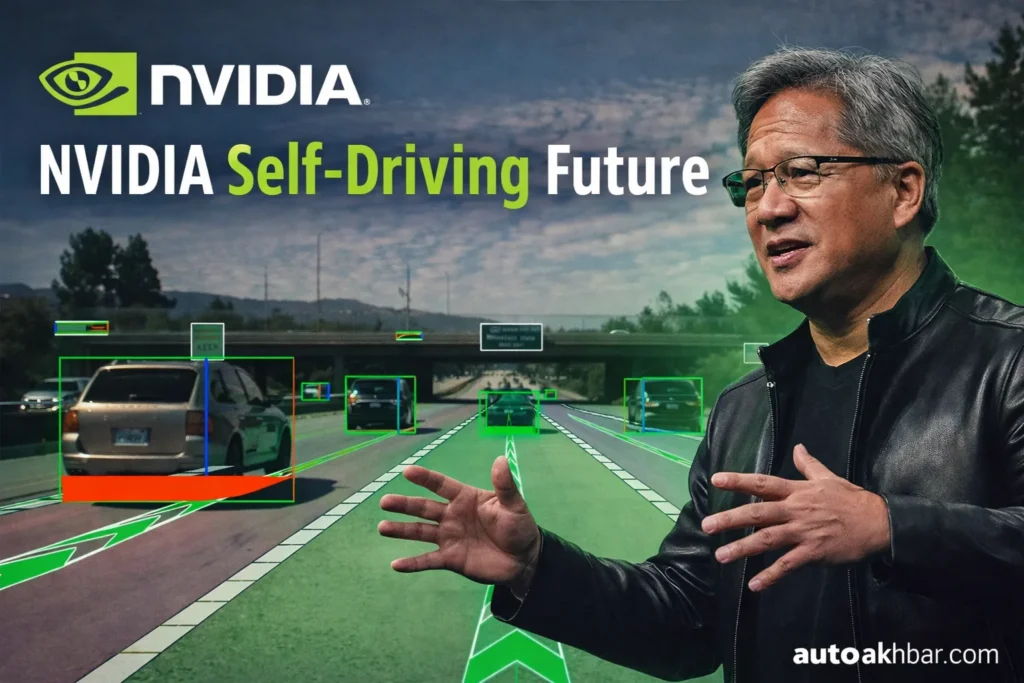
Table of Contents
A Quick Story From CES 2026
Walking through CES 2026 felt less like a tech expo and more like stepping into the future. Everywhere you looked — robotaxis, self-driving tractors, delivery robots, AI assistants — one logo kept popping up quietly in the background: NVIDIA.
Not on billboards. Not screaming for attention.
Just… powering everything.
That’s when it clicked: Nvidia isn’t building cars or robots.
They’re building the mind behind them.
Quick Facts: NVIDIA Self-Driving Ecosystem
| Feature | Details |
|---|---|
| Core Platform | NVIDIA Drive AGX |
| AI Model | Alpamayo (Reasoning AV Model) |
| Chip Power | Thor (Up to 8,000 TOPS) |
| Autonomy Level | L2++ to L4 |
| Key Partners | Lucid, Mercedes-Benz, Uber, Hyundai |
| Primary Market | United States |
| First Deployments | 2026 (U.S. roads) |
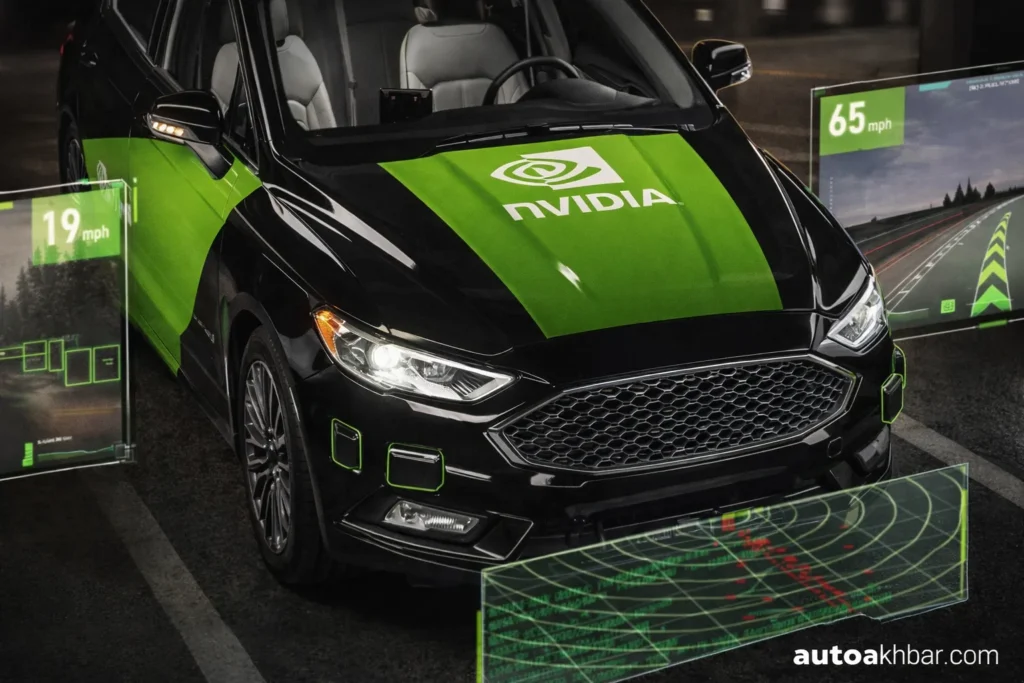
Nvidia Isn’t Making Cars — It’s Enabling Autonomy
Nvidia’s strategy is simple but deadly effective:
“We don’t build self-driving cars.
We build the full stack so everyone else can.”
That stack includes:
- Sensors & perception AI
- Prediction and planning models
- Onboard supercomputers
- Simulation via Omniverse
- Open-source AI frameworks
This approach lets automakers focus on design and comfort while Nvidia handles intelligence.
I Tried Nvidia’s Self Driving Car… This Changes Everything
byu/bladerskb inSelfDrivingCars
Lucid, Uber & Robotaxis Powered by Nvidia
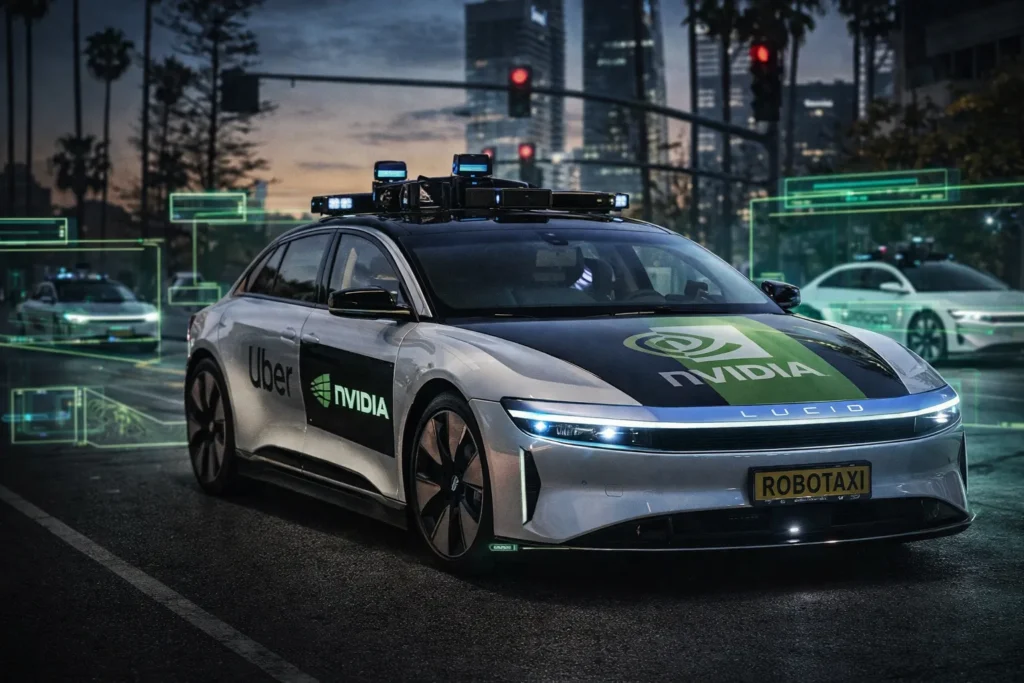
At CES 2026, Lucid, Uber, and Nvidia unveiled a next-gen robotaxi built on the Lucid Gravity platform.
What makes it different?
- Built from day one for autonomy
- Longer range than rivals
- Passenger-first interior (no driver bias)
- Redundant sensors + self-cleaning systems
To reach Level 4 autonomy, Lucid upgraded:
- Additional LiDAR units
- Corner cameras
- Microphones (yes, the car talks back)
- Dual liquid-cooled Nvidia computers
All running Nvidia’s Alpamayo, the world’s first reasoning AV model that doesn’t just act — it explains why it’s acting.
Alpamayo: The “Thinking” Self-Driving Brain
Alpamayo isn’t just perception AI.
It:
- Understands complex city traffic
- Predicts human behavior
- Plans safe trajectories
- Explains its decisions
- Is open-source
That’s huge.
This means faster innovation across the entire autonomous industry — not locked behind one company.
Nvidia NeoPhone: The First True AI Superphone the World Has Ever Seen
The World’s First Personal Robo-Car
Not a robotaxi.
A robot car you can own.
Built on NVIDIA Drive AGX Thor, this Level-4 vehicle features:
- 300 miles of range
- 80% charge in 10 minutes
- 37 cameras + 5 LiDAR
- Lounge-style interior
- Steering wheel that appears only when needed
Production starts soon.
Real driveways by 2027.
This isn’t sci-fi anymore.
Nvidia Is Already on U.S. Roads (L2++)
Nvidia also partnered with Mercedes-Benz for an L2++ autonomous system:
- Human monitors the drive
- Nvidia handles the full AI stack
- Continuous OTA updates
Rollout timeline:
- 🇺🇸 United States: Q1
- 🇪🇺 Europe: Q2
- 🌏 Asia: Q3–Q4
In real U.S. city tests, it handled:
- Double-parked cars
- Emergency vehicles
- Hand signals
- Road signs — in real time
Clean. Smooth. Confident.
Beyond Cars: Surgery, Farming & Construction
🏥 Healthcare
Nvidia powers FDA-approved surgical robots used in spine surgeries.
- AI-guided precision
- Fewer errors
- Surgeons do more surgeries safely
🌾 Agriculture
John Deere tractors powered by Nvidia:
- Autonomous planting
- Disease detection
- 20% productivity boost
- Already in production in the U.S.
🚧 Construction
Caterpillar machines use Nvidia AI to:
- Avoid hazards
- Set safety ceilings
- Operate faster and safer
Heavy machines, smart brains.
Delivery Robots & Smart Cities
In cities like Los Angeles and San Francisco:
- Level-4 delivery robots run on Nvidia
- No driver, no tipping
- AI only asks for help when needed
Sidewalk autonomy is already live.
Why the U.S. Market Matters Most
The United States is Nvidia’s primary testing ground because:
- Open road regulations
- High AI adoption
- Major partners headquartered here
- Massive data availability
That’s why searches around “NVIDIA self-driving future” spike mainly in the U.S., followed by India and Europe.
Personal Opinion: This Is Bigger Than Cars
This isn’t about replacing humans.
It’s about:
- Safer roads
- Smarter machines
- Scaled productivity
- AI as infrastructure
Nvidia isn’t chasing hype.
They’re building quietly — and winning loudly.

Conclusion
From self-driving cars and robotaxis to surgery, farming, and delivery robots, Nvidia is quietly shaping the autonomous world.
You may not see the logo.
But if something moves intelligently — Nvidia is probably inside.
👉 Follow AutoAkhbar for real tech stories that actually matter.
👉 More AI & mobility coverage coming soon.
FAQs – NVIDIA self-driving Technology
What is self-driving Nvidia technology?
Self-driving Nvidia technology refers to Nvidia’s AI platforms, chips, and software that power autonomous vehicles. Instead of building cars, Nvidia provides the “brain” that enables perception, decision-making, and real-time driving intelligence.
How does Mercedes use Nvidia for self-driving cars?
Mercedes uses Nvidia self-driving technology to support advanced driver-assistance and autonomous features. Nvidia’s AI chips and software help Mercedes vehicles understand traffic, road signs, and complex driving scenarios more accurately.
What is Aurora self-driving Nvidia collaboration?
Aurora uses Nvidia’s self-driving hardware and AI computing platforms to develop autonomous trucking and mobility solutions. Nvidia provides the processing power needed for real-time decision-making in Aurora’s self-driving systems.
Does Tesla use Nvidia for self-driving?
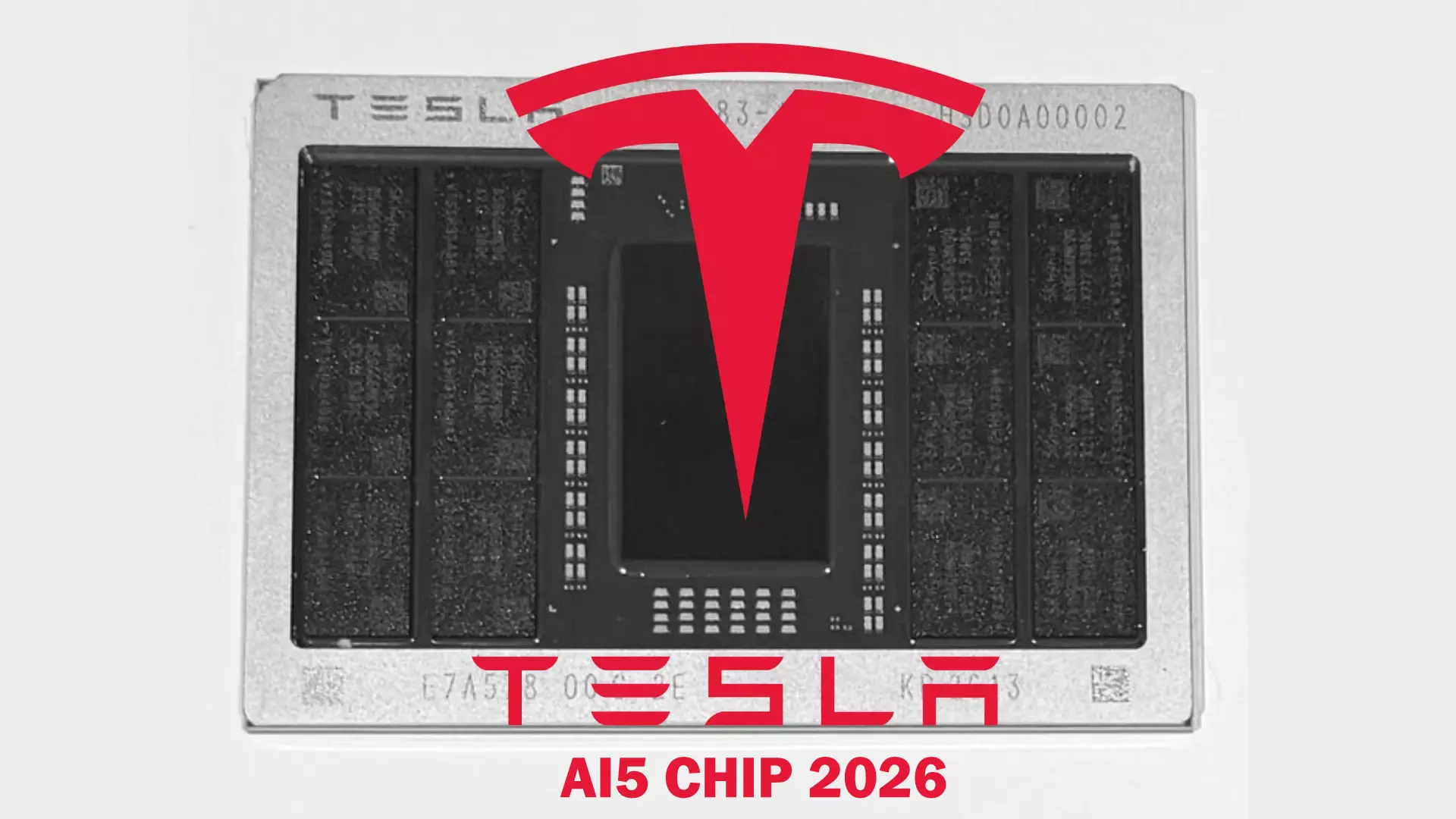
Tesla previously used Nvidia chips in its early self-driving systems but later shifted to its own in-house hardware. However, Nvidia remains a major player in the broader self-driving industry outside Tesla.
What is an Nvidia self-driving car?
An Nvidia self-driving car is not built by Nvidia itself. Instead, it refers to vehicles from partner companies that use Nvidia’s AI chips, software, and autonomous driving platforms to operate safely and intelligently.