
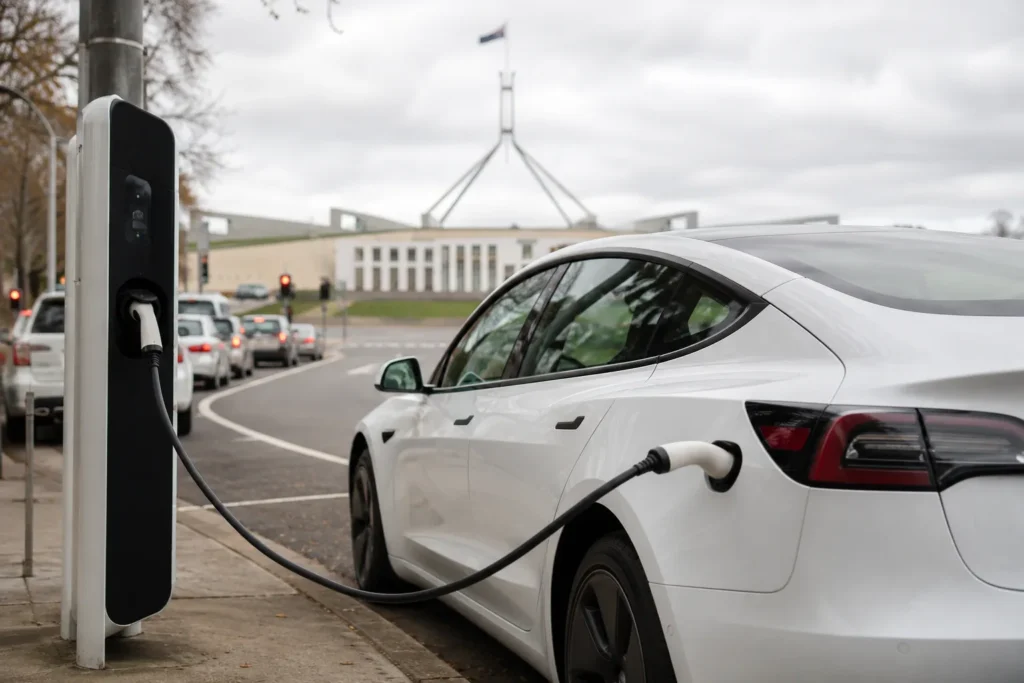
Imagine paying a tax for choosing a cleaner car. That’s exactly what thousands of electric vehicle owners in New South Wales could soon face — and experts are sounding the alarm before it’s too late.
Quick Answer: What is the NSW electric car tax?
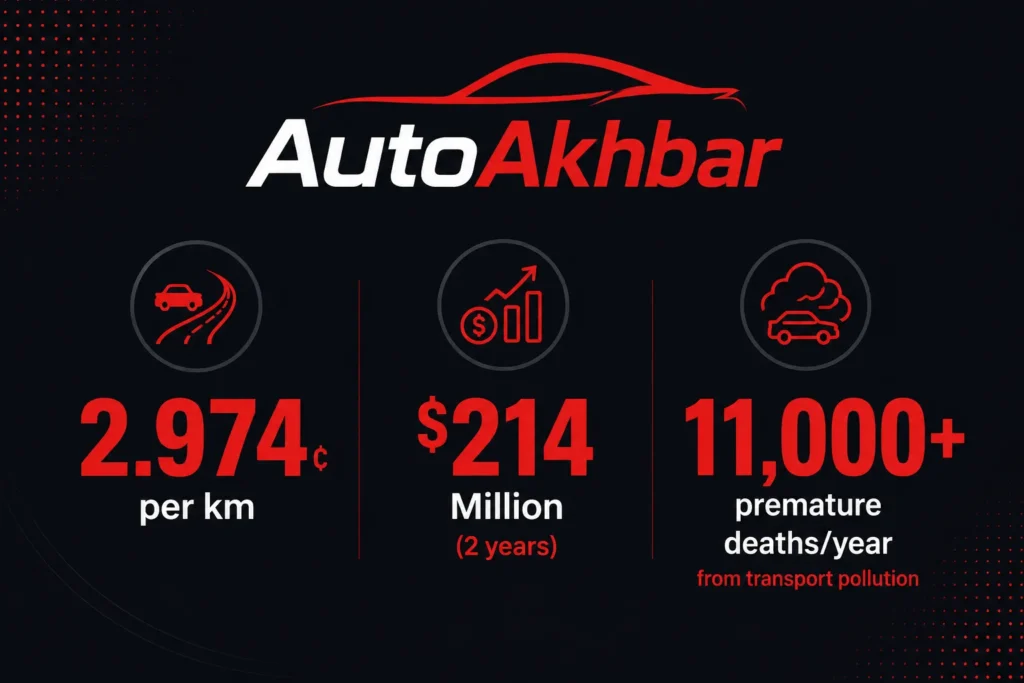
The NSW government plans to introduce a road-user charge of 2.974 cents per kilometre on electric and plug-in hybrid vehicles from July 2027, aiming to collect $214 million in its first two years. Health and transport experts are urging the government to delay or redesign the tax to avoid slowing EV adoption.
Direct Answer: Should NSW introduce an electric car tax in 2027?
Experts say no — at least not yet. They argue the tax could discourage buyers from switching to electric cars, hit ride-share and delivery drivers hardest, and cause consumer confusion if a national EV road-user charge framework arrives shortly after.
Table of Contents
What Is the NSW Electric Car Tax?
The New South Wales government is assessing a proposal to apply a road-user charge to electric vehicles (EVs) and plug-in hybrid electric vehicles (PHEVs) starting July 2027. The charge is set at 2.974 cents per kilometre and is projected to raise $214 million in its first two years of operation.
The proposal is being examined through a dedicated government inquiry, which heard submissions from health professionals, transport unions, and industry groups in late June 2026.
Why Are Experts Opposing the Electric Car Charge?
Witnesses at the NSW government’s electric vehicle revenue inquiry raised several concerns about the timing and design of the proposed tax.
1. It Could Slow EV Adoption
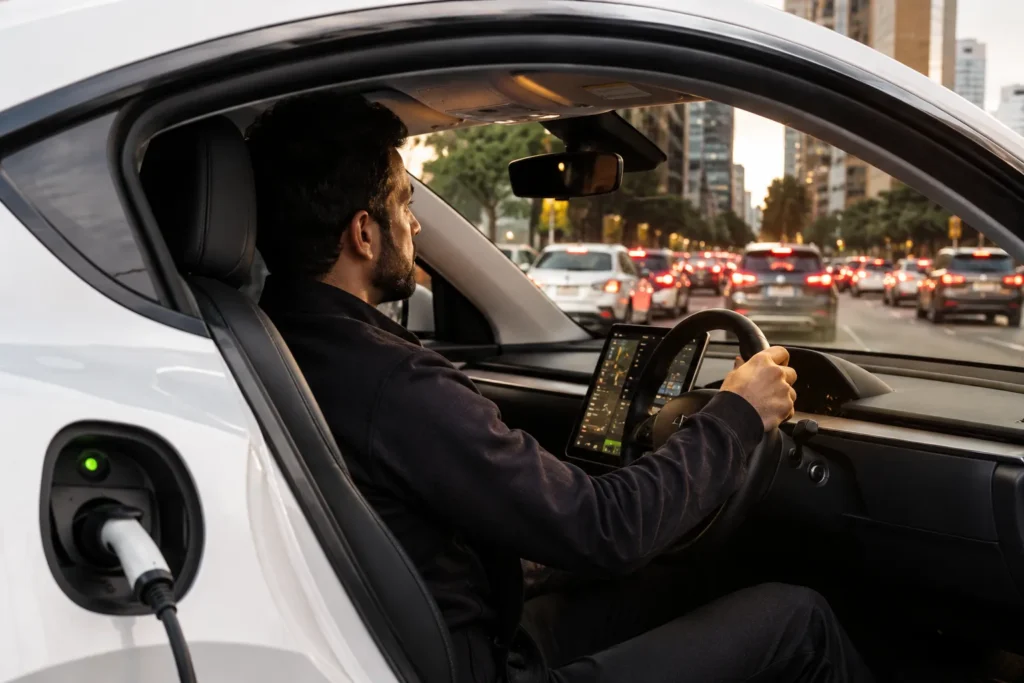
Transport Workers Union of NSW research official Daniel Peric warned that introducing a distance-based charge too early in the EV adoption curve would act as a major disincentive for both private buyers and commercial operators. Ride-share drivers, who can cover more than 60,000 kilometres annually, would face particularly steep bills under the proposed rate.
“The costs are going to add up very quickly and, to me, that would be a major disincentive for companies, operators and owner-drivers too,” Peric said.
2. It Could Worsen Public Health
Doctors for the Environment Australia member Dr Felicity Heale warned that any policy slowing the shift away from petrol and diesel vehicles would have serious public health consequences. She cited research showing that transport pollution contributes to more than 11,000 premature deaths annually across Australia.
Dr Heale advised against any policy settings that could impede the uptake of battery electric vehicles or create incentives favouring internal combustion engines.
3. Consumer Confusion Is a Real Risk
Australian Industry Group climate change and energy director Tennant Reed urged the NSW government to delay its own charge and instead wait for a unified national approach being developed by the federal government. He warned that rapidly switching between a state-level and national system could seriously confuse consumers and undermine the broader EV transition.
NSW Police Reveals Mystery High-Performance Rapid Response Fleet
What’s the History of EV Road-User Charges in Australia?
Australia has already seen one EV tax fail at the highest level. A similar road-user charge introduced by Victoria was struck down by the High Court in 2023, which ruled that states do not have the authority to impose such charges. The federal government has since begun developing a national EV road-user charge framework, but has not yet launched it.
Could the Tax Be Redesigned Instead of Scrapped?
Dr Heale suggested a phased approach as a middle ground — gradually introducing the charge for new EV owners over three years rather than applying it immediately. This could reduce the disincentive effect while still allowing the government to build a long-term revenue stream from road use.
Industry experts also emphasized that whatever system is ultimately adopted must be simple to understand and easy to use, avoiding the cumbersome odometer-reporting process that frustrated EV owners in Victoria.
What Happens Next?
The NSW electric vehicle revenue inquiry is expected to submit its findings by September 30, 2026. The government will then decide whether to proceed with, modify, or abandon the proposed electric car charge ahead of the July 2027 target date.
For Indian EV buyers and policymakers watching global trends, the NSW debate is a cautionary tale: taxing electric cars too soon — before the market matures — can undo years of green progress in a single policy move.
Source: The Canberra Times — NSW EV Tax Inquiry
FAQ
What is the NSW electric car road-user charge?
It is a proposed tax of 2.974 cents per kilometre on electric and plug-in hybrid vehicles in New South Wales, planned to start from July 2027 and expected to raise $214 million in two years.
Why are experts against the NSW electric car tax?
Experts warn it will discourage EV adoption, increase health risks from continued fossil fuel use, and confuse consumers — especially if a national EV charge policy follows shortly after.
Who will be most affected by the NSW EV tax?
Ride-share and delivery drivers who travel over 60,000 km per year will face the highest charges and are considered the most at-risk group under the proposed rate.
Did Australia’s High Court rule on EV taxes before?
Yes. In 2023, the High Court struck down Victoria’s EV road-user charge, ruling that states cannot levy such taxes. The federal government is now working on a national framework.
When will the NSW inquiry report its findings?
The NSW electric vehicle revenue inquiry is due to report by September 30, 2026.
Is a national EV road-user charge coming in Australia?
The Australian federal government is developing a national approach to EV road-user charges, but has not yet launched it as of mid-2026.