

Introduction
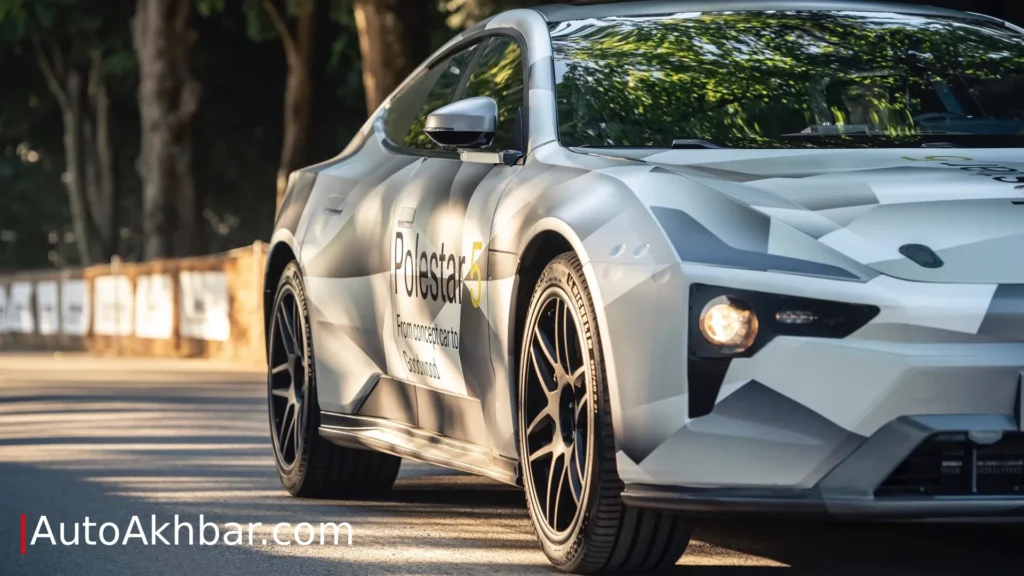
When I first saw the Polestar 5, it struck me as more than just another luxury EV. A sleek silhouette gliding along the asphalt, where clean Scandinavian design meets pure electric performance. But beyond the aesthetics, the figure sheet tells a story: ~884 hp, 112 kWh battery, 800-volt architecture.
If you’re wondering whether this car is all flash or truly the next benchmark in electric grand touring — you’re in the right place. I’m going deep, without the fluff.

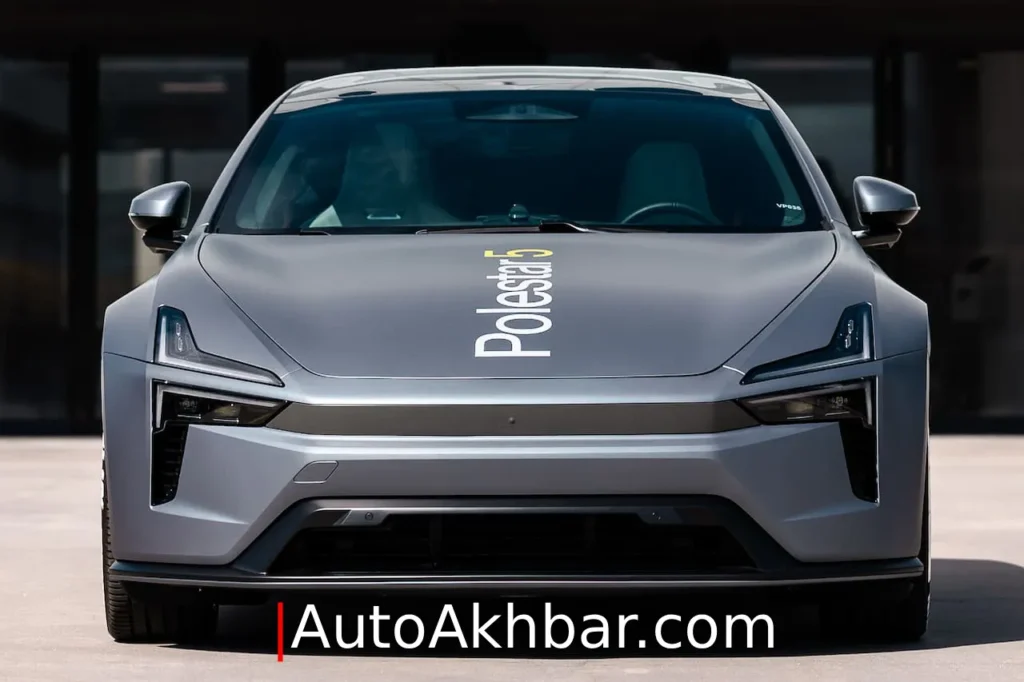
Table of Contents
1. Powertrain & Performance
The Polestar 5 is built to impress on paper and in motion.
- It uses an 800-volt electrical architecture — enabling higher charging speeds and more efficient power delivery. The Verge+2Electrek+2
- Two main trims:
- Dual Motor – ~550 kW (~748 hp) and ~812 Nm torque. 0-100 km/h in ~3.8 seconds. Road & Track+1
- Performance – ~650 kW (~884 hp) and ~1,015 Nm torque. 0-100 km/h in ~3.1 seconds. Electrek+1
- A bonded aluminium chassis (branded as “Polestar Performance Architecture”) gives high stiffness, relatively lower weight, and sport GT feel. Polestar – Electric cars | Polestar AU+1
In short: this car isn’t about efficiency first — it’s about electric performance with GT character.

2. Battery, Range & Charging
Here’s why the technical architecture matters:
- Battery pack: 112 kWh gross (≈106 kWh usable) in both trims. Motor1.com+1
- Claimed WLTP ranges: Up to ~670 km (≈416 miles) for Dual Motor; ~565 km (≈351 miles) for Performance version. Electrek
- Charging: Max DC fast-charging up to ~350 kW, enabling 10-80% charge in ~22 minutes under optimal conditions. The Verge+1
- Architecture benefits: The 800-V system allows for thinner cables, lighter design, and faster re-charging cycles.
Bottom line: The Polestar 5 is scaled for long-distance, high-speed performance. But, as always with EVs, real-world range and charging depend on charger availability, temperature, driving style.
3. Design, Interior & Craftsmanship
The Polestar 5 stands out for its Scandinavian flair — ambitious yet restrained.
- Exterior: Low, sleek four-door GT silhouette; no conventional rear window in some trims (camera replaces it) which gives a dramatic stance. MotorTrend+1
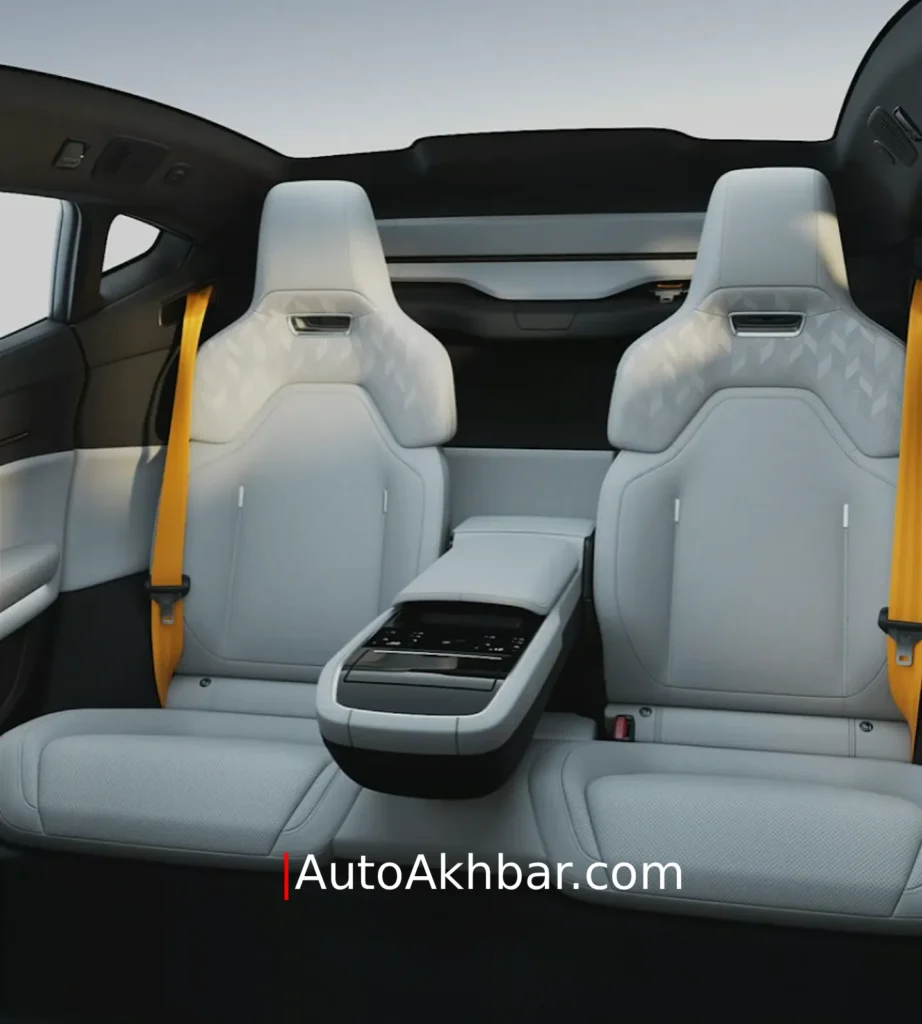
- Interior materials: Emphasis on sustainability without compromise on luxury — flax fibre composites, recycled nylon (Econyl), premium leather options. MotorTrend+1
- Tech & interface: Large vertical infotainment screen, Google native interface (Android Automotive OS), high-quality audio (Bowers & Wilkins in some markets) Top Gear
- Cabin feel: Minimalist, airy; panoramic glass roof; floating centre console. The ambiance is meant to feel lounge-like, not purely sporty.
- Build: Body made from anodised aluminium, heat-cured adhesive replaces welding in many joints — this improves torsional rigidity. Polestar – Electric cars | Polestar AU
Takeaway: Polestar isn’t just chasing performance numbers — it’s crafting a holistic experience: design + luxury + sustainability.

This Mini Chinese EV Just EMBARRASSED the West
4. Practical Considerations & Competition
This is where we drop the marketing and look realistically:
- Pricing & availability: In Europe, starting around €119,900 for base trims (Dual Motor) and €142,900+ for the Performance version. DIE WELT
- Availability: Initial markets exclude the US and China as per current announcements. Reuters
- Charging infrastructure: The 350 kW capability is great — but many regions still lack chargers that support this level.
- Real-world usage: Although WLTP numbers are strong, cold weather, aggressive driving, and heavy loads will reduce range.
- Competition:
- Porsche Taycan – very strong performer, established brand in EV GT segment
- Tesla Model S – premium EV sedan benchmark in many markets
- Lucid Air – ultra-luxury EV alternative in applicable markets
Make no mistake: The Polestar 5 plays in premium tier. If your reader expects affordable EVs or mass-market adoption, this will feel out-of-reach.

5. Verdict
If you’re after an electric grand tourer that blends serious performance, minimalist luxury, and forward-thinking design — Polestar delivers. The Polestar 5 checks off most plus-boxes: ~884 hp, 112 kWh battery, 800-V architecture, premium materials throughout.
But it’s not for everyone:
- If you’re looking for value or practicality for urban commuting — this isn’t it.
- If your market lacks high-capacity fast-charging, you won’t fully exploit the architecture.
- If servicing, resale value, or brand recognition matter deeply in your market — Polestar has less legacy than Porsche or Tesla as of today.
My take: The Polestar 5 sets a new benchmark for electric GTs — and for luxury EVs that don’t compromise on experience. If you can access it, it’s a serious contender. Just make sure you’re ready for the premium price and infrastructure demands.
FAQs About Polestar 5
What is the power output of the Polestar 5?
Up to ~884 hp (650 kW) and ~1,015 Nm torque for the Performance version.
How fast can the Polestar 5 charge?
It supports up to ~350 kW DC fast-charging and claims 10–80% in ~22 minutes under optimal conditions.
What architecture does the Polestar 5 use?
An 800-volt system built on a bonded aluminium chassis (Polestar Performance Architecture) for rigidity and performance.
Which cars compete with the Polestar 5?
Competitors include the Porsche Taycan, Tesla Model S and Lucid Air — all premium electric performance sedans.