The home solar energy market is growing rapidly, and globally, demand is expected to rise even further in the coming years — that’s something we all already know.
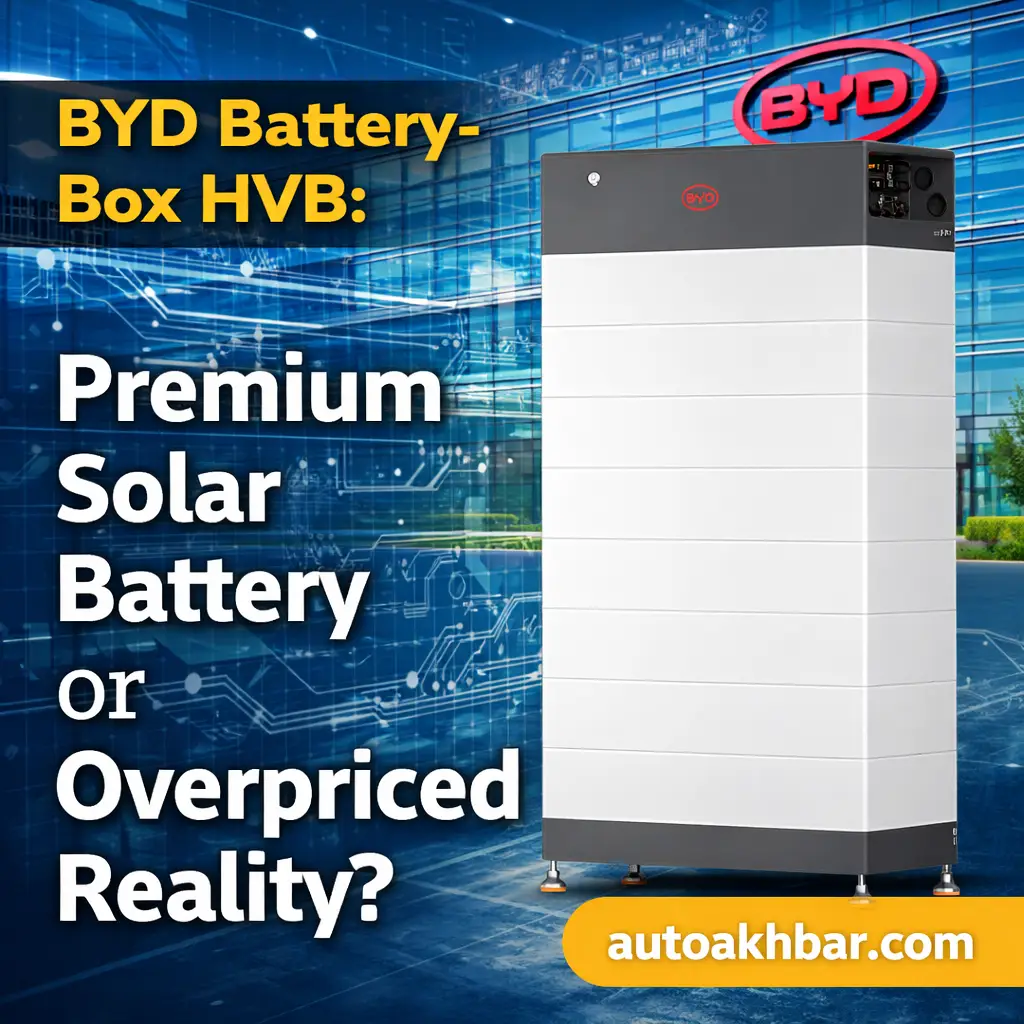
But what’s new is that BYD has launched its Battery-Box HVB system. Like every company, BYD is promoting it as a “perfect product.”
According to the company, it is a high-end, safe, and long-term solution… but today’s audience is much smarter and more aware.

Recently, Ola also launched its “Shakti” inverter, which we covered in one of our previous blogs.
Ola Shakti Launch: ₹29,999 Smart Battery That Can Run Your Home Like a Powerwall!
This raises an important question:
👉 Why are EV companies suddenly entering the home energy space?
If you have a solid take on this, drop it in the comments.
Table of Contents
Public Review: What Does the Ground Reality Say?
I personally went through public forums and discussions where users shared their real concerns. There’s a chance BYD might even respond to such feedback in the future.
Across solar and photovoltaic communities, reactions to this battery are clearly mixed.
What users are saying:
- The technology is strong
- But the price is quite high
- ROI (return on investment) takes longer than expected
Major concerns:
- Due to the high-voltage system, installation is not simple
- It is not compatible with every inverter
- It can be quite complex for DIY users
👉 In simple terms:
This is not a plug-and-play system — it requires proper professional installation.
Reality Check Selbst geplante PV Anlage
by u/vanbul in DeutschePhotovoltaik
Key Features & Specs
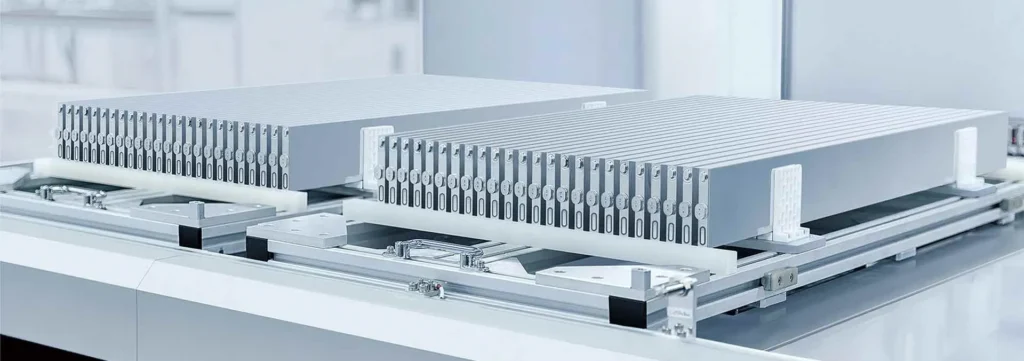
BYD is already well-known for its cars and the batteries used in them — especially its Blade Battery technology.
While this battery has proven itself in EVs, its long-term real-world performance in solar applications is still something that will become clear over time.
👉 So before buying, proper market analysis is important. Brand trust is good, but informed decisions matter more.
Main Highlights:
- Battery Type: Lithium Iron Phosphate (LFP)
- Capacity: Starts from 5.9 kWh up to 29.6 kWh (single tower)
- Expandable: Up to ~89 kWh
- Efficiency: ~95%
- Voltage: High-voltage system (200V+)
- Warranty: 15 years
- Protection: IP55
What Works Well?
1. Strong Safety Profile
LFP chemistry + Blade technology = better thermal stability
👉 This means comparatively lower fire risk
2. Modular Design
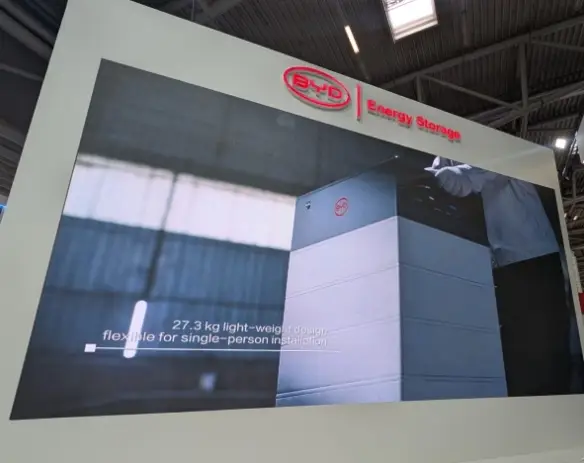
You can start with a small setup and expand later
👉 Useful for long-term planning
3. Long-Term Reliability
A 15-year warranty is a strong confidence factor
👉 Makes it attractive for long-term investment
Concerns: Where Questions Are Being Raised
1. Price vs Value Debate
In such a competitive market, both price and value matter — and here, price is the biggest concern.
Many users believe:
👉 “The performance is good, but it’s hard to justify the price.”
2. Installation Is Not Easy
In today’s already complicated lives, ease of use matters — and this is also a personal request to BYD:
👉 “Make it more DIY-friendly.”
Because:
- It’s a high-voltage system
- Inverter compatibility is critical
- Wrong setup = system won’t work
And paying extra for service after buying such an expensive product can feel like a burden.
3. Not for Everyone
If your setup is small or your budget is limited, this system may feel like overkill

Analysis: Who Is It For?
Best suited for:
- Users building a high-end solar setup
- Those planning future expansion
- People prioritizing safety and reliability
Not ideal for:
- Budget-conscious buyers
- DIY installers
- Users looking for basic backup solutions

Final Verdict On BYD Battery-Box HVB
Based on our analysis so far, the BYD Battery-Box HVB appears to be a solid and reliable product. However, its pricing is on the higher side, and the installation process is somewhat complex, which may not make it practical for everyone.